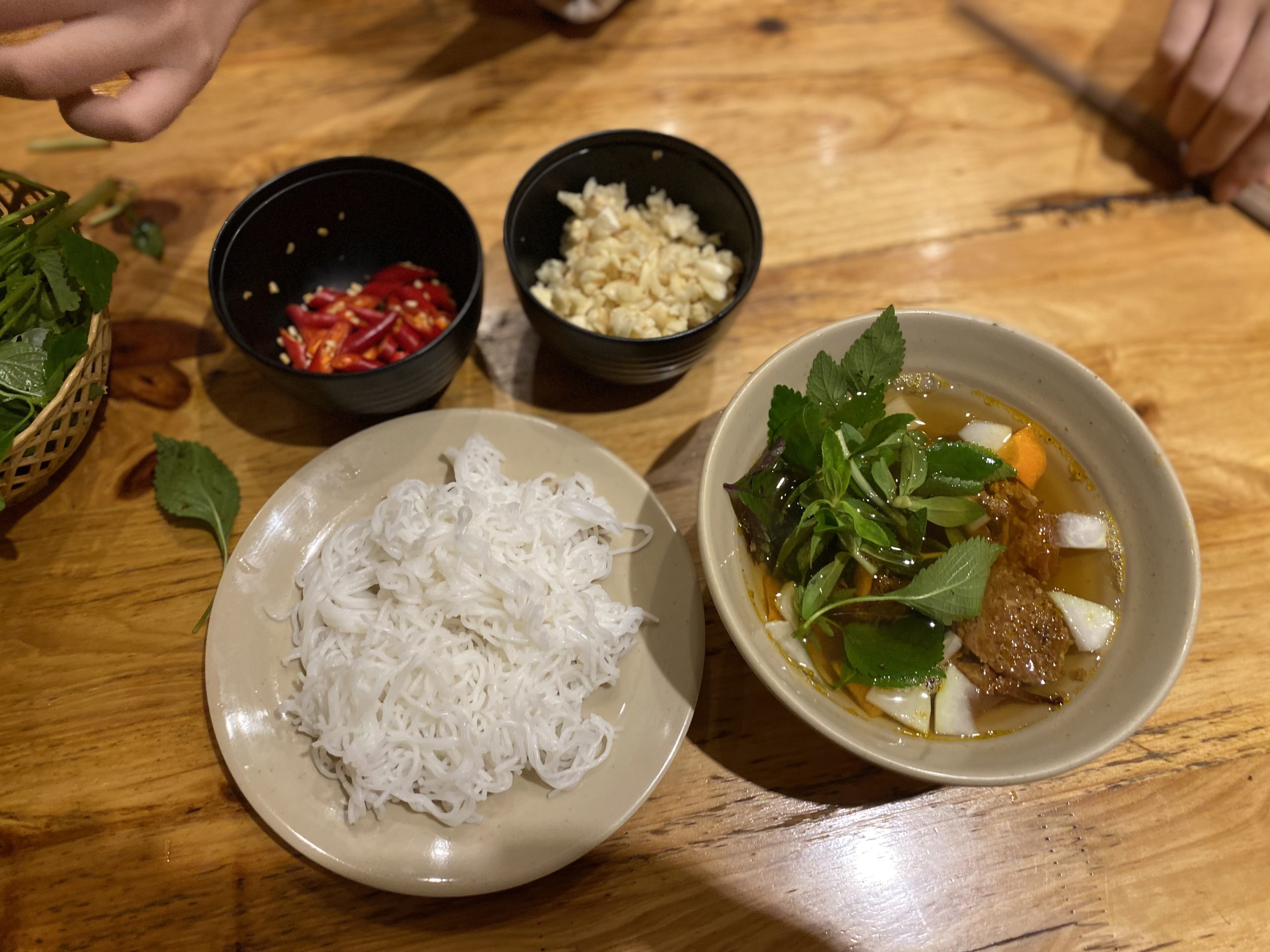
Couples with different food tastes are completely normal, and part of the difference is biological rather than stubbornness. People genuinely taste some things differently, and taste can change over a lifetime. The good news is that a few practical habits make choosing restaurants together much easier: favour menus with range, share where you can, and take turns choosing. Below are the myths we hear most often, checked against what research and health bodies say.
Key takeaways
- Some differences in taste, especially for bitterness, are partly genetic.
- Sense of taste and smell can change with age.
- Allergies and intolerances are not preferences and need to be treated differently.
- Restaurants with broad menus or shared dishes suit couples with different tastes.
Myth: a picky partner is just being difficult
Fact: People really do perceive some flavours differently. Bitterness is the best-studied example. A crowdsourced study published in Frontiers in Integrative Neuroscience in 2014, Garneau and colleagues’ work on bitter taste perception, confirmed that sensitivity to a bitter test compound called PROP is partly controlled by variation in a gene named TAS2R38. People with certain versions of the gene rated the compound as noticeably more bitter than others did.
So if one of you finds dark leafy greens or strong coffee unpleasantly harsh while the other barely notices, that difference may be real. It is a reason for patience, not a character flaw.
Myth: “supertasters” have more taste buds, and that explains everything
Fact: It is not that simple. The same 2014 study found that the density of papillae on the tongue, the small bumps that house taste buds, did not predict how bitter people found PROP at all. The authors also note that the TAS2R38 gene alone does not explain the supertaster idea, and caution against using the term loosely. Taste differences are real, but they come from several factors working together, and genes are only part of the story.
Myth: your tastes are fixed for life
Fact: They shift. The US National Institute on Deafness and Other Communication Disorders reports in its quick statistics on taste and smell that almost one in five Americans over 40 reports some change in their sense of taste, rising to 27% among people aged 80 and over. Smell changes are even more common with age, and smell plays a large part in how food tastes.
For couples who have been together a long time, this explains why a favourite restaurant might not hit the same note it once did, or why one partner now wants stronger flavours than before.

Myth: different food tastes mean compromising on every meal
Fact: You can usually find places that suit both of you without either person settling for a dull dish. Some approaches that work:
| Approach | Why it helps | Best for |
|---|---|---|
| Restaurants with broad menus | Each person has several genuine choices | Very different tastes |
| Sharing plates or small plates | You each try a little and fill up on what you like | Adventurous plus cautious eaters |
| Cuisines with mild and spicy options | Heat can be added at the table | One partner who loves chilli |
| Taking turns to choose | Each person gets “their” restaurant regularly | Couples who eat out often |
| Reading menus together before booking | No surprises on the night | Anyone who feels anxious about food |
It also helps to talk about tastes in specific terms rather than in likes and dislikes. “Too bitter”, “too rich”, “too much heat” and “too unfamiliar” point to different solutions. Bitterness can often be avoided by choosing different vegetables or sauces; richness by ordering lighter sides; heat by asking for chilli on the side; and unfamiliarity by reading the menu together in advance so nothing comes as a surprise. A short conversation like this before you book usually saves a longer one at the table.
Our comparison of family-style dining and individual plates explains how shared dishes change the experience, and it applies just as well to a table for two.
Myth: food preferences and food allergies are the same thing
Fact: They are not, and treating them alike can be dangerous. A preference is about enjoyment. An allergy can cause a serious reaction. In the UK, government allergen guidance for food businesses requires restaurants to provide information on any of 14 regulated allergens in the dishes they serve. If your partner has an allergy, mention it when you book, and let them speak to the staff on the night rather than ordering on their behalf.
Frequently asked questions
How do we pick a first date restaurant if we do not know each other’s tastes?
Choose somewhere with a varied menu and a few vegetarian options, and check it online first. Our guide to choosing a first date restaurant has more on picking a safe, flexible option.
What if one of us always ends up choosing?
Agree to take turns. Alternate who picks the restaurant, or who chooses the dish you share. It keeps things fair and often leads to discoveries.
Is it rude to order something very different from my partner?
Not at all. Ordering what you each enjoy is the point of eating out. If you like, offer a taste across the table. For a midweek meal with minimal fuss, our weeknight date night checklist has more ideas.
Choosing your next restaurant together
Before you book, read the menu together and check that each of you can see at least two dishes you would happily order. If not, look for somewhere with sharing plates or a broader menu. Taste differences are normal; a little planning makes them part of the fun. For more ideas, browse our date night guides.