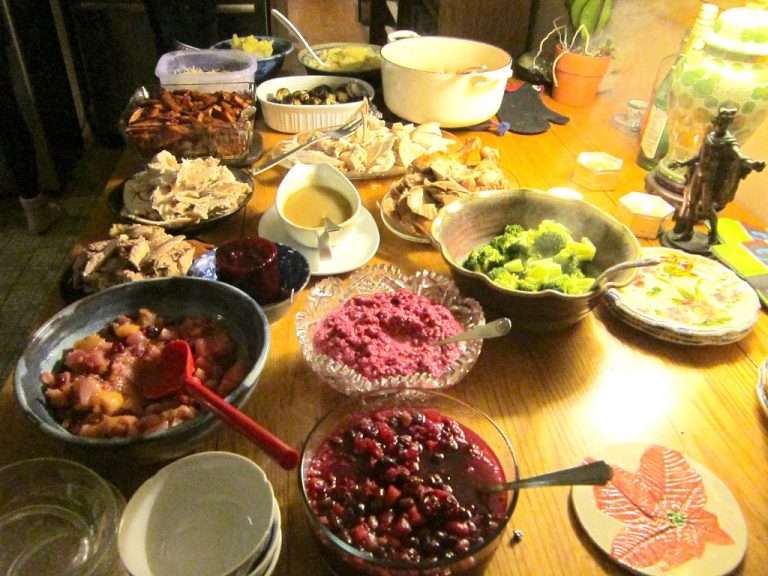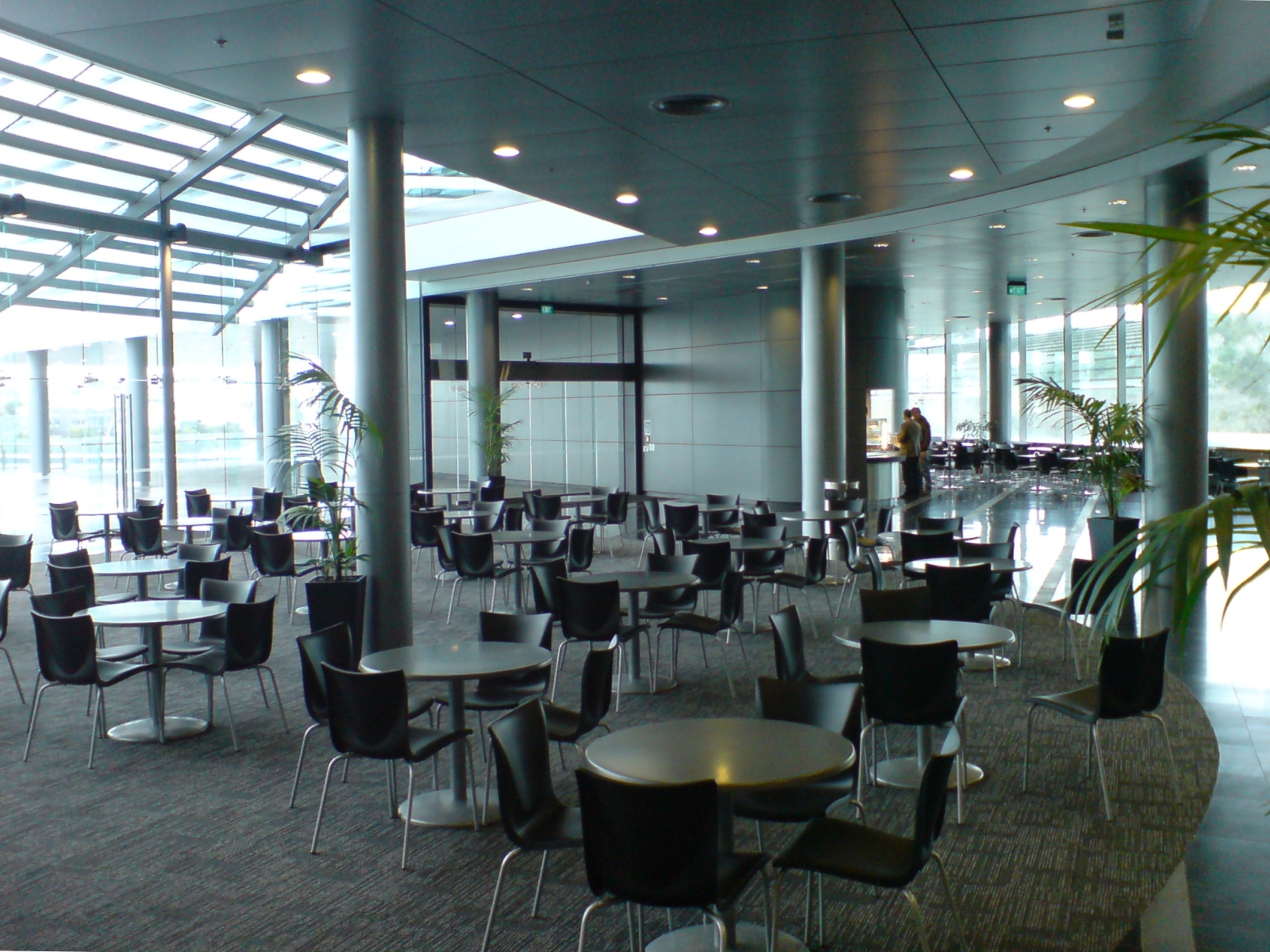
Eating out with dementia in the family is still possible, and for many people a familiar café or a favourite restaurant remains a real pleasure. The key is to reduce noise, clutter and pressure: choose a calm place, go at a quiet time, keep the table simple, help with the menu, and allow plenty of time without hurrying anyone. Plan a short visit first, and be ready to leave early if your relative becomes tired or unsettled. This how-to sets out the steps, drawing on guidance from Alzheimer’s Society, so the meal stays relaxed for your relative and for everyone else at the table.
Key takeaways
- Choose a calm, familiar place and go at a quiet time of day.
- Keep the table uncluttered and avoid busy patterns.
- Help with the menu by suggesting a few favourite dishes.
- Allow plenty of time, check food temperature and be ready to leave early.
Step 1: Choose the right place for eating out with dementia
Familiar places are often easiest. A café or restaurant your relative already knows, with friendly staff and a simple menu, is usually better than somewhere new and busy. Look for good lighting, a quieter area away from the kitchen and music, step-free access and toilets that are easy to reach. Our guide to accessible restaurants has a checklist for physical access, and many of the same questions apply.
Phone ahead to ask about a quiet table and to mention, if you feel comfortable, that one of your party lives with dementia. Many staff will gladly help with small adjustments.
Step 2: Pick a quiet time
Busy evenings and weekends can be overwhelming. A late breakfast or early lunch on a weekday is often calmer, and some families find their relative is less tired earlier in the day. Keep the group small, as large tables can be noisy and confusing. If your family usually gathers in big numbers, our ideas for multigenerational dining can help you plan a smaller meal alongside the bigger occasions.
Step 3: Keep the table simple
Alzheimer’s Society’s guidance on supporting someone with dementia to eat and drink advises making the environment calm, relaxing and appealing, keeping the table free from clutter and avoiding patterned tablecloths, napkins or other items that can cause confusion. It also suggests reducing nearby noise and distractions.
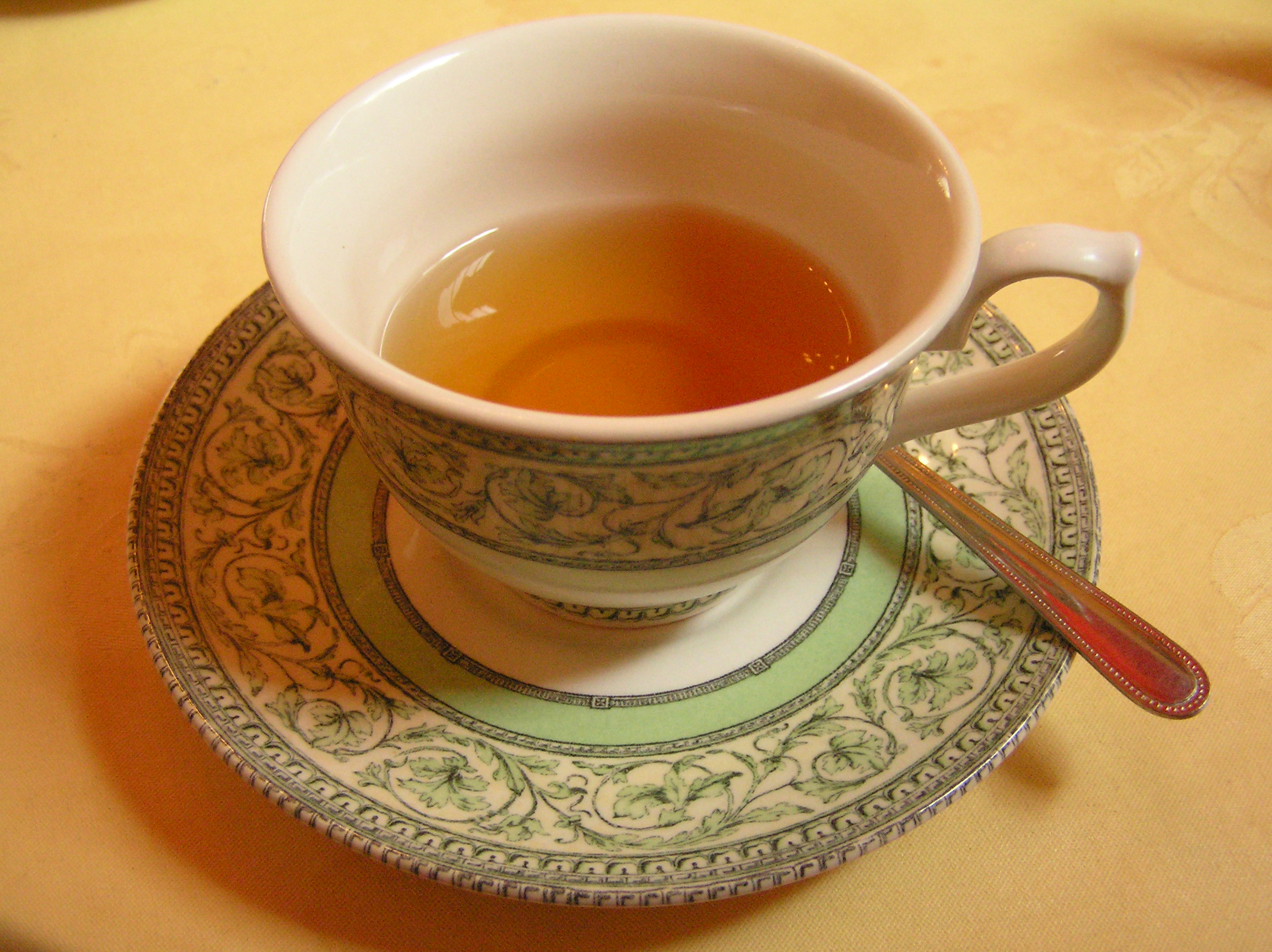
Its page on eating and drinking explains that sight problems can make food hard to see, and recommends plain, contrasting colours for the food, plate and table. In a restaurant you cannot control everything, but you can ask for extra items to be cleared away and sit your relative facing a calm wall rather than a busy room.
| Challenge | What can help |
|---|---|
| Noise and bustle | Quiet table, off-peak visit, small group |
| Cluttered table | Ask staff to clear unused glasses and cutlery |
| Busy patterns | Choose plainer settings where possible |
| Hard-to-see food | Contrasting plate and table colours |
| Hot food and drinks | Check temperature before serving |
Step 4: Help with the menu
A long menu can be stressful. Look at it online beforehand, then suggest two or three dishes you know your relative enjoys rather than reading out every option. Alzheimer’s Society notes that tastes can change, with some people preferring sweeter, saltier or spicier food, so be open to new favourites. Finger foods can help if cutlery has become difficult, and cutting food into smaller pieces can make it easier to eat.
Step 5: Eat at a gentle pace
The Society stresses that it is important the person does not feel hurried and is given enough time to eat. It also warns that people with dementia may lose the ability to judge how hot food and drink are, so check temperatures before serving and add a little cold water to hot drinks. Do not assume your relative is not hungry if they do not start eating straight away; a gentle prompt or simply starting your own meal can help.
Step 6: Know when to call it a day
Some days will go better than others. Keep the first visit short, perhaps a coffee and cake rather than three courses, and leave while things are going well. If your relative becomes anxious or tired, it is fine to ask for the bill early or to take dessert home. Over time you will learn which places and times work best. Keep a short note of what went well, such as a table that suited your relative or a dish they enjoyed, so the next visit is easier to plan. Sharing those notes with other family members means anyone can take your relative out with confidence.
Frequently asked questions
Should I tell the restaurant about my relative’s dementia?
It is your choice. A quiet word when booking can help staff offer a calm table and a little extra patience.
What if my relative becomes upset during the meal?
Stay calm, reassure them, and step outside or leave early if needed. A short, happy visit is better than a long, stressful one.
Are there alternatives to eating out?
Yes. A takeaway at home, a picnic or a quiet coffee can offer the same sense of occasion with less pressure.
Keeping family meals together
Eating out with dementia works best when the place is familiar, the time is quiet, the table is simple and nobody is in a hurry. Small adjustments can keep shared meals part of family life for longer. For more ideas on planning meals with others, see our group dining guides.