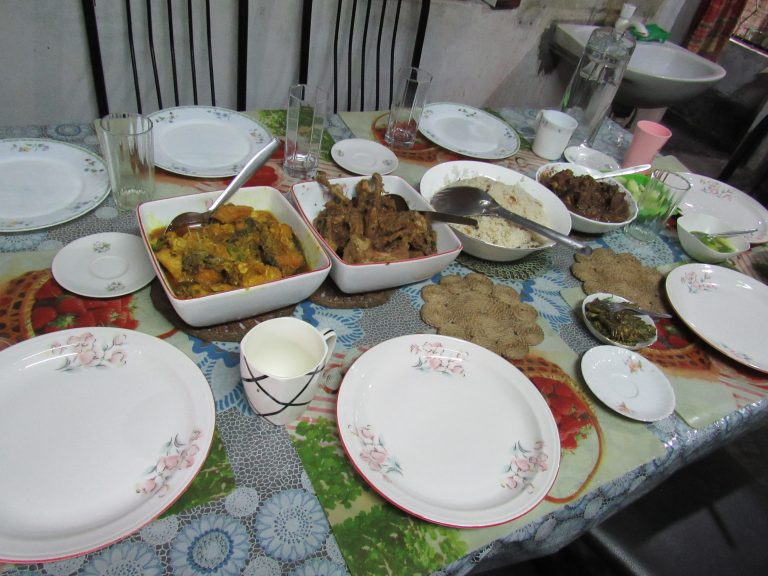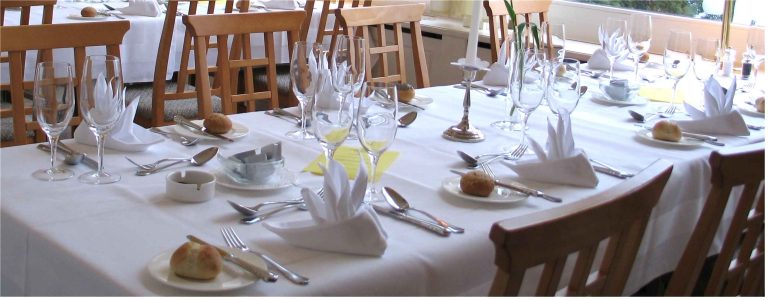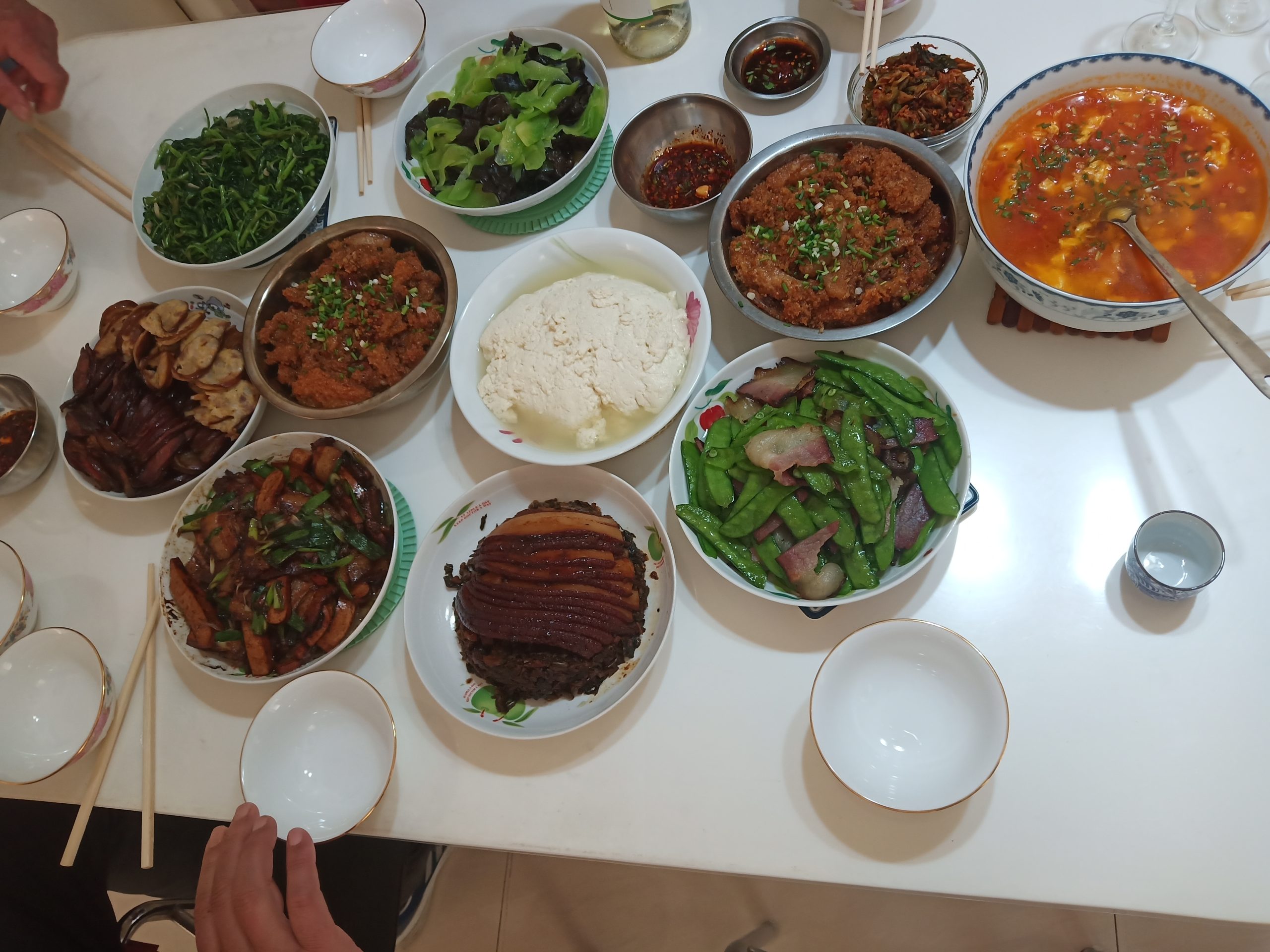
Family style dining, where dishes arrive on shared platters and everyone helps themselves, suits relaxed groups who like variety and conversation, and it often works well for families with children who are still discovering what they like. Individual plates suit groups with strict dietary needs, people who want control over exactly what they eat, and occasions where everyone is paying separately. Neither is better in general. The right choice depends on who is at the table and what kind of meal you want.
Here is how the two compare across the things that matter most.
Key takeaways
- Sharing gives variety and a sociable feel; individual plates give control and predictability.
- Allergies and strict diets are easier to manage with individual plates.
- Sharing suits even bill-splitting; plates suit paying for what you order.
- Children often try more foods when they can serve themselves small amounts.
- Many groups mix the two: shared starters, individual mains.
What family style dining actually means
In family style dining, the kitchen sends out large dishes for the middle of the table, and guests pass them round or reach for what they want. It is the norm in many cuisines and households around the world, from Chinese banquet tables with a turntable in the middle to a Sunday roast carved at the table. In restaurants, it may be offered as a set sharing menu for groups, or simply as a menu of dishes designed to share.
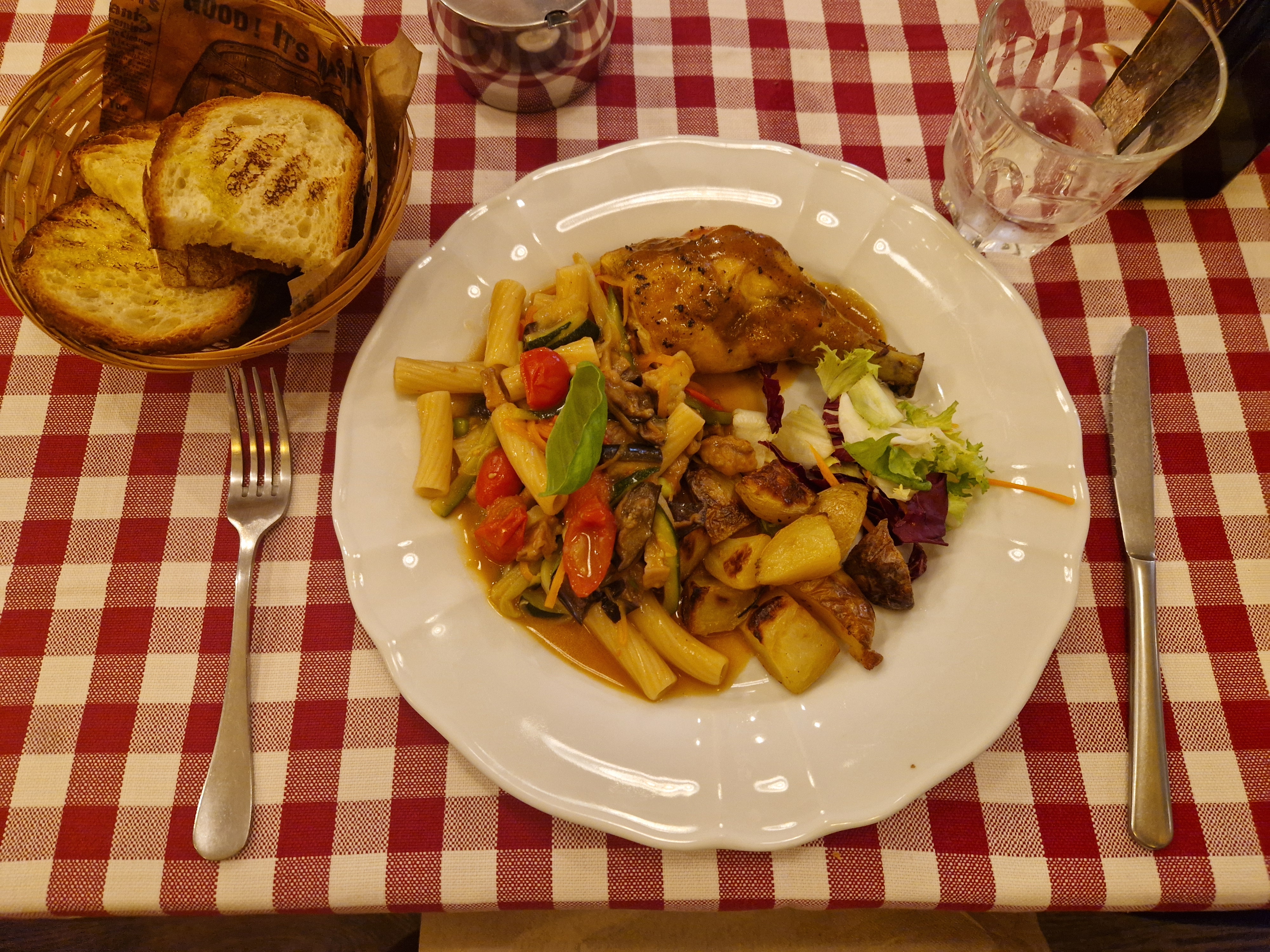
Individual plating is the classic restaurant model: each person orders a dish, and it arrives composed on their own plate. Most à la carte menus work this way, and it is what most people picture when they think of a sit-down meal out.
Side-by-side comparison
| Factor | Family style | Individual plates |
|---|---|---|
| Variety | High: everyone tastes several dishes | Low: one main each, unless you swap |
| Control over portions | Each person serves themselves | Fixed by the kitchen |
| Dietary needs and allergies | Harder: shared spoons and dishes | Easier: one plate per person |
| Pace | Dishes may arrive as ready | Courses arrive together |
| Atmosphere | Sociable, lots of passing and chatting | More orderly and individual |
| Bill splitting | Natural to split evenly | Natural to pay for your own dish |
| Fussy eaters | Can pick from several dishes | Can order exactly what they like |
| Ordering effort | Needs one person to coordinate | Everyone orders for themselves |
Family style with children
Sharing has a particular advantage with young children. In childcare settings, US guidance on meals has promoted serving family style for this reason. Connecticut’s education department explains that letting children serve themselves from communal bowls helps them get to know new foods, new tastes and new menus, supports a positive attitude to healthy food and builds the hand strength needed to serve. It also notes that the USDA recommends family-style service for children aged 3 to 5 in that programme.
A restaurant table is not a nursery, but the principle carries over. A child who can take a spoonful of rice, two pieces of chicken and a single green bean is more likely to try something new than one presented with a full plate of unfamiliar food. If you are taking very young children, our guide to eating out with a toddler has more on keeping portions small and the meal short.
Allergies, intolerances and strict diets
This is where individual plates have a clear edge. Shared dishes mean shared serving spoons, and sauces, nuts or crumbs can easily move from one dish to another. For someone with a serious allergy, that is a real risk.
GOV.UK’s advice for diners notes that you can call ahead and ask how food is handled in the kitchen and whether your food could be contaminated by something you are allergic to. The same thinking applies at the table. If one person in your group has a serious allergy, consider ordering them an individual plate, served first and kept apart, even if the rest of the group shares.
Cost, ordering and the bill
Sharing tends to make an even split of the bill feel fair, because everyone has eaten from every dish. It does need one person to coordinate the order and make sure there is enough food without wildly overordering. Ask the server how many dishes they recommend for your group size; they see this every day.
Individual plates suit groups where budgets vary, or where some people eat lightly and others heartily. Everyone orders what they want and pays for what they have. If you are organising a bigger meal, our step-by-step guide to the large group reservation covers set menus and bill splitting in more detail.
A hybrid often works best
Many groups end up somewhere in the middle: a spread of shared starters or small plates, followed by individual mains, or the reverse. This gives the sociable feel of sharing without asking anyone with specific needs to rely on communal dishes for their whole meal. It is also a good way to try family style dining for the first time without committing everyone to it.
Frequently asked questions
Is family style dining cheaper?
Not necessarily. It depends on the menu and how much you order. Sharing can reduce waste when appetites differ, but it is easy to overorder. Ask for guidance on quantities.
How do you serve yourself politely from shared dishes?
Use the serving spoon, not your own cutlery. Take a modest first portion so everyone gets some, offer the dish to the person next to you, and go back for more once everyone has had a turn.
Can a restaurant do both for one table?
Usually, yes. Most kitchens are happy to send some dishes to share and plate others individually, especially if you explain why when you order.
Choosing for your next meal
Think about who is coming. A relaxed family meal or a group of adventurous friends will probably love sharing. A group with allergies, mixed budgets or a formal occasion may be happier with plates of their own. When in doubt, mix the two. For more ideas on eating together, see our Group Dining guides.