Eating out with a toddler works best when you treat it as a short, planned outing rather than a leisurely meal. Go early, before your child is tired or very hungry. Choose a relaxed place with some background noise, pack a small bag of familiar things, clear the table of hazards as soon as you sit down, and order everything in one go. Most of all, decide in advance what you will do if it stops working, so leaving early feels like part of the plan rather than a defeat.
The steps below take you from choosing the restaurant to the walk back to the car.
Key takeaways
- Book or arrive early, when restaurants are quieter and your toddler is still fresh.
- Pack a light kit: a lidded cup, a bib, toddler cutlery and one or two quiet toys.
- Move candles, knives, glasses and condiment sachets out of reach the moment you sit down.
- Order the whole meal at once and ask for the bill with the food if you may need to leave quickly.
- Cut small round foods such as grapes and cherry tomatoes into quarters before serving.
Step 1: Choose the right place and time
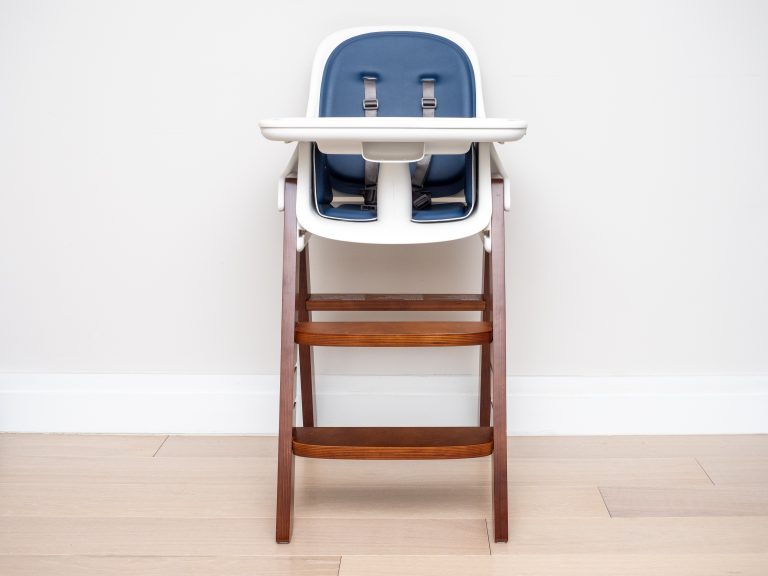
A toddler judges a restaurant on two things: how long the wait is and whether there is anything to look at. You judge it on noise, space and the menu. A relaxed, informal place with a steady hum of conversation forgives the occasional wail far better than a hushed dining room. Look for high chairs, room for a buggy, and a menu with simple dishes that can be served plain.
Timing matters as much as the venue. The American Academy of Pediatrics’ family site suggests going early to beat the crowds and eat before your child tires, and points out that you will probably be surrounded by other families doing the same. If you can, book a table, or ask whether the restaurant takes a name by phone so you skip the queue.
Step 2: Set expectations before you leave home
Restaurant behaviour is a skill, and skills need practice. A toddler will not sit still for an hour, and expecting that sets everyone up for a bad evening. Think instead in terms of a short meal, roughly the length of one course plus a pudding, with the understanding that some days it will be shorter still.
For an older toddler, say in simple words what is going to happen: we are going to sit in a high chair, eat some food, and then go home. Agree with any other adult coming along how you will handle a meltdown, so you are not negotiating at the table.
Step 3: Pack a small, useful kit
You do not need a suitcase. A short list covers almost every meal:
- A cup with a lid, since restaurant glasses are easy to knock over.
- A bib and a pack of wipes.
- Toddler-sized cutlery, so you can remove the restaurant’s sharp knives and heavy forks.
- One or two quiet toys or books your child has not seen for a while, kept in the bag until they are needed.
- A small, familiar snack for the wait, used sparingly so your child is still hungry when the food arrives.
Keep the bag on your lap or by your feet rather than in the buggy across the room. Being able to produce the next distraction without getting up makes a real difference.
Step 4: Make the table safe when you sit down
Restaurants are not childproofed. Before anyone looks at the menu, sweep the reachable area: tealights and candles, steak knives, hot drinks, sugar and salt sachets, and any glass near the edge. Ask for the high chair to go at the end of the table or against a wall rather than in a walkway where staff carry hot plates.
Food needs the same attention. The NHS advice on preparing food safely for young children is to cut small round foods such as grapes, cherry tomatoes and berries into quarters, slice sausages into thin strips, remove bones from meat and fish, and not to give whole nuts to children under five. It also stresses that young children should be seated upright and supervised while they eat. Restaurant food is not usually prepared with this in mind, so plan to do the cutting yourself.
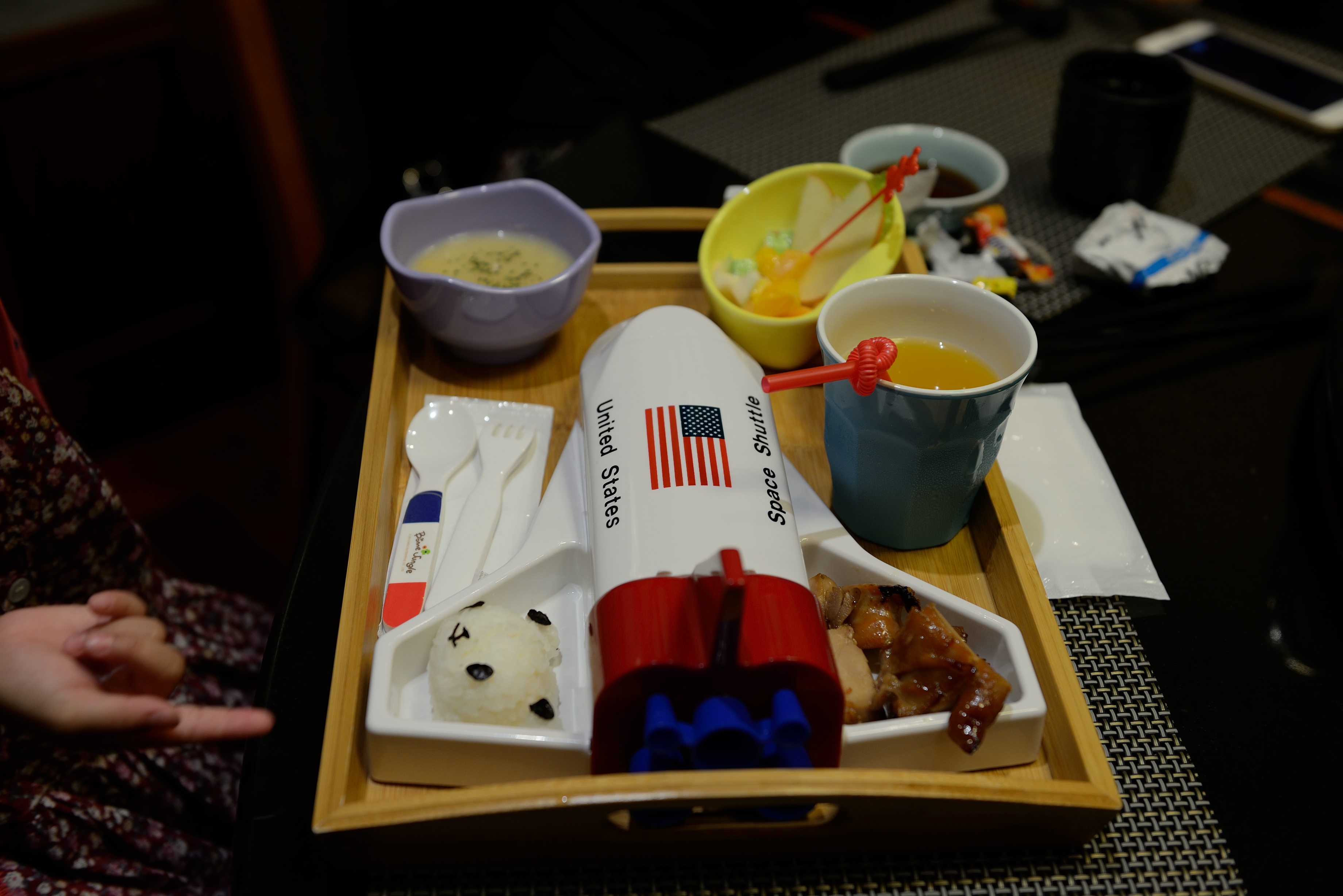
Step 5: Order efficiently for eating out with a toddler
Speed is your friend. Read the menu online before you go, then order everything, drinks and food, as soon as the server arrives. Ask for your child’s food to come out first, or with the starters, so they are not watching you eat. If you think you may need to leave in a hurry, ask for the bill when the main course arrives.
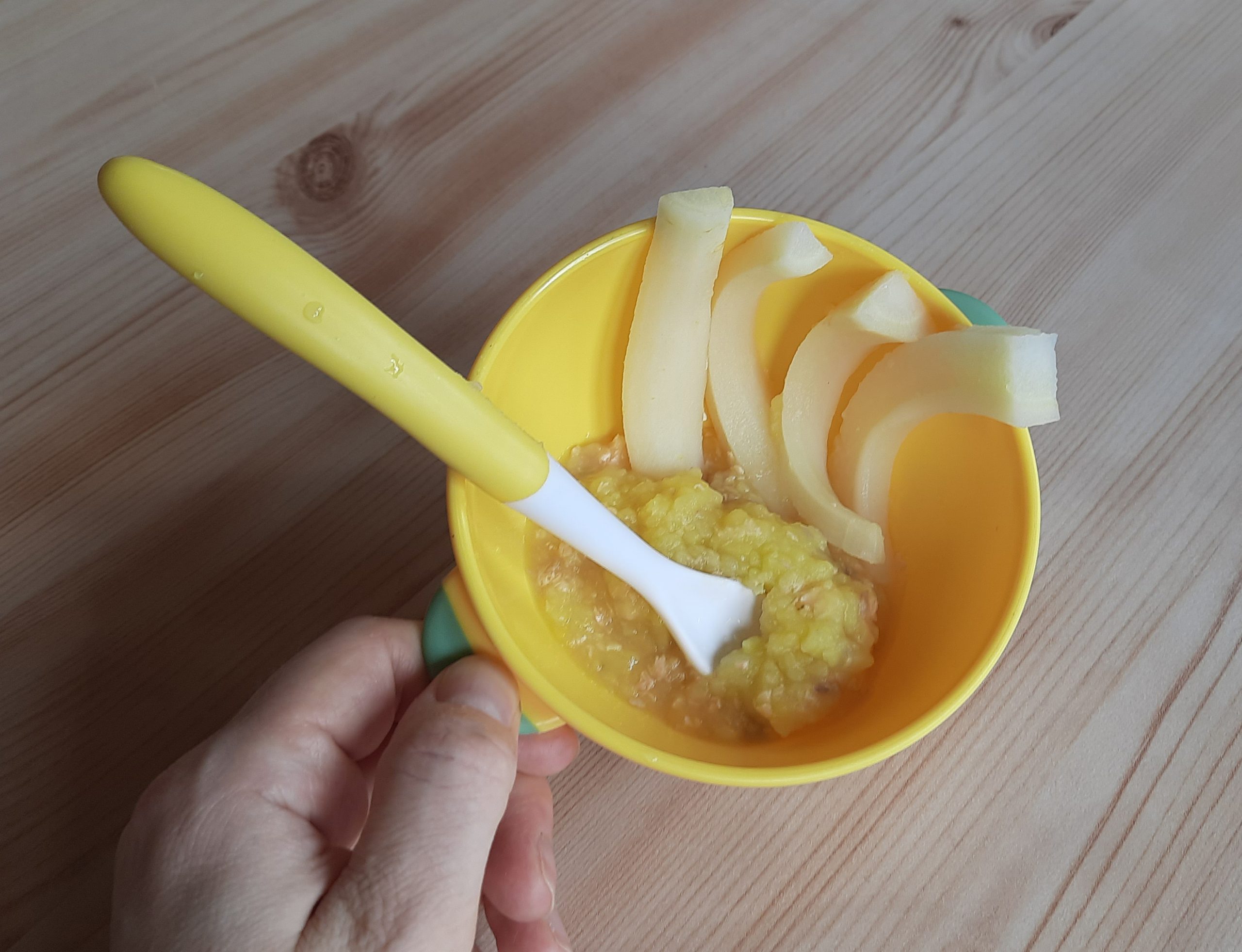
When choosing for your child, simple is better than special. A plain side of vegetables, some bread, a small portion of pasta or rice, or a few pieces from your own plate often goes down better than a large children’s main. The Better Health Channel in Victoria, Australia, recommends offering a variety of small portions and trusting your toddler to know when they are full, and the same principle works in a restaurant.
| Stage of the meal | What to do | Why it helps |
|---|---|---|
| Arriving | Ask for a corner or end table | Less traffic, fewer hazards |
| Ordering | Order everything at once | Shortens the wait |
| Waiting | Bring out one toy at a time | Keeps something new in reserve |
| Eating | Cut food small, stay alongside | Reduces choking risk |
| Finishing | Pay early, leave on a good note | Ends the outing before a meltdown |
Step 6: Handle the wobble, and leave if you need to
Even well-planned meals hit a wobble. Short walks help: one adult takes the toddler to look out of the window or at the fish tank while the other finishes eating. Praise the behaviour you want, such as sitting nicely or saying please, rather than only reacting to the behaviour you do not.
If none of that works, leave. Ask for the rest of the food to be boxed, pay, and go. This is not failure; it teaches your child that restaurants come with expectations, and it means the next attempt starts from a calmer place.
Frequently asked questions
What is the best age to start eating out with a toddler?
There is no fixed age. Many families eat out with babies and carry on through the toddler years. What changes is the amount of planning. Through the toddler years, short, early meals with plenty of distraction tend to work best.
Should I bring my toddler’s own food?
It can help on a long wait or with a very selective eater, but try not to rely on it every time. A restaurant meal is a good chance for your child to see and taste new foods, even if only a few bites from your plate.
How long can a toddler realistically sit at a table?
It varies widely between children and from day to day. Planning for a short meal and treating anything longer as a bonus keeps expectations realistic for you and for them.
Making the next outing easier
Start small. A mid-afternoon snack in a café, a weekday lunch or an early tea gives your toddler practice in low-pressure settings. Notice what helped: the corner table, the new board book, ordering their food first. Repeat it. For more ideas on eating out at every age, browse our Kids & Family guides.