A good retirement dinner honours the person leaving without turning into a long evening of speeches. The essentials are simple: agree the plan with the retiree, choose a place that suits a mixed group of colleagues and family, keep the speeches short and settle the bill quietly. Below is a worked example of how one might come together, from the first conversation to the last toast, with the decisions you will face along the way.
Key takeaways
- Ask the retiree what kind of evening they want before anything else.
- Decide early who is hosting and who is paying.
- Choose a quiet, accessible venue; many guests may be older.
- Limit speeches to two or three short ones, in an agreed order.
The scenario
Say a long-serving colleague is retiring at the end of the month. Their team wants to mark it with a dinner, and the retiree would like their partner and a couple of old friends from earlier jobs to come too. That makes a group of about eighteen. The example is invented, but the steps apply to most retirement dinners.
Step 1: talk to the retiree
Retirement can be an emotional moment, and not everyone wants a big fuss. Ask, rather than surprise:
- Would they prefer a dinner, a lunch or drinks?
- Who would they like to invite beyond the immediate team?
- Are there people they would rather not sit next to, or not have speak?
- Do they want gifts, or would they rather guests did not bring any?
Agree who is organising. Often a manager or close colleague takes the lead. Our guide to hosting a restaurant dinner as the organiser explains what that role involves on the night.
Step 2: plan the retirement dinner venue
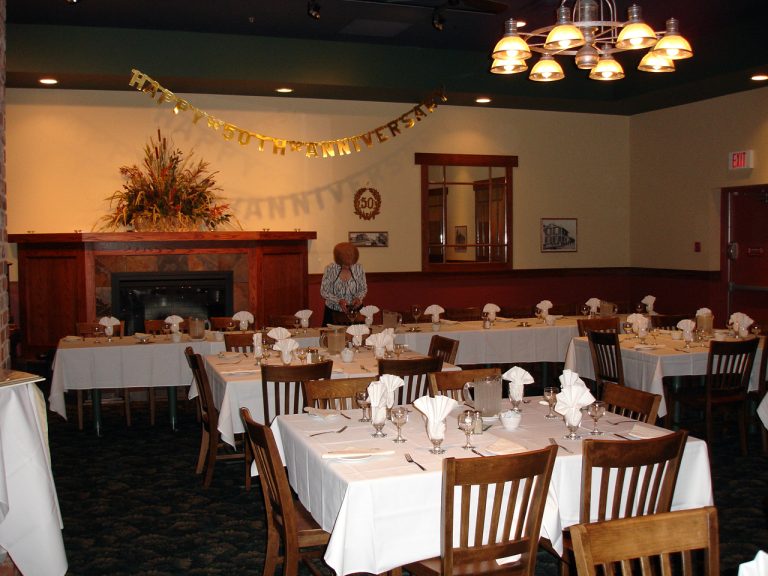
With eighteen guests from different parts of the retiree’s life, a room where people can hear each other matters more than anything on the menu. Older relatives and friends may well be among the guests. The US National Institute on Deafness and Other Communication Disorders notes that about one in three people aged 65 to 74 has hearing loss, and its advice on hearing loss in older adults suggests avoiding tables near the kitchen or live music and asking for a quiet area.
When you phone venues, ask:
- Is there a private or semi-private room for a group this size?
- Is it step-free, with an accessible toilet nearby?
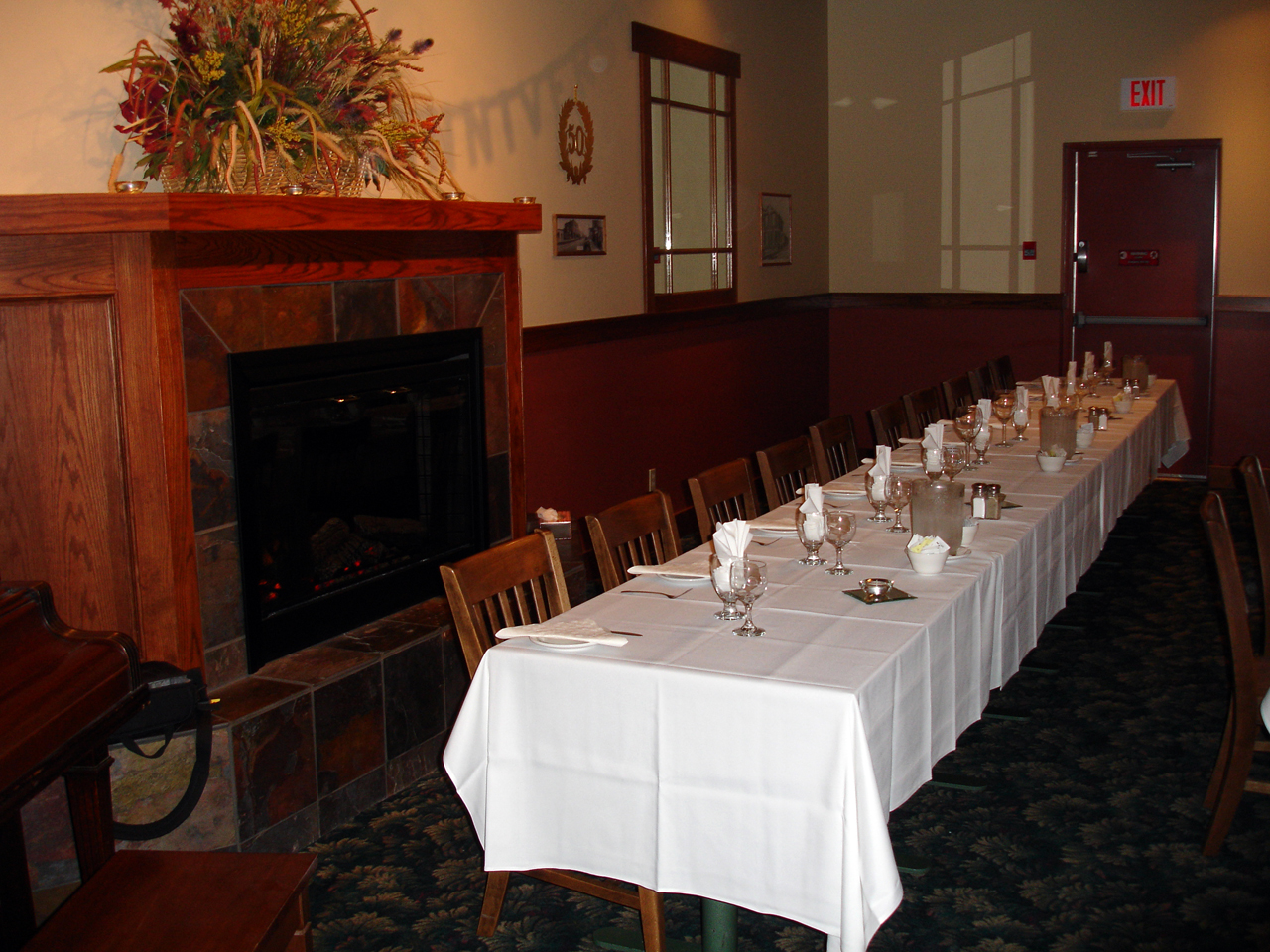
- Can we have one long table or several round ones?
- Is there a set menu, and what are the deposit and cancellation terms?
- Is there a microphone, or is the room small enough not to need one?
For a group this size, a private dining room is often the easiest way to allow speeches without disturbing other diners.
Step 3: guest list, invitations and diets
Send invitations with a clear date, time, place and reply-by date. Ask about dietary needs and allergies at the same time, so you can pass a full list to the restaurant. In the UK, government allergen guidance for food businesses requires restaurants to provide information on any of 14 regulated allergens in their dishes, and recommends written information backed by a conversation, so the kitchen will expect the question.
Make it clear whether partners are invited and whether guests are paying for themselves or the meal is covered.
Step 4: speeches and the toast
This is where retirement dinners most often run long. Agree in advance:
| Decision | A sensible choice | Why |
|---|---|---|
| How many speeches | Two or three at most | Keeps energy high |
| Who speaks | A manager, a long-time colleague, perhaps a friend or family member | Covers different parts of their life |
| Length | Two to three minutes each | Short is warmer than long |
| When | Between main course and dessert | Food is not going cold, people are settled |
| Last word | The retiree, if they want it | Lets them thank people |
Etiquette guidance is helpful here. The Emily Post Institute’s notes on toasting say the host traditionally gives the first toast, that the person being honoured does not drink to themselves, and that the best toasts are short and come from the heart. Our myths-and-facts guide to giving a dinner toast covers the rest.
Step 5: gifts and the bill
If there is a collection, present the gift during the speeches rather than leaving it on a side table. A card signed by everyone, including colleagues who cannot attend, is often the thing retirees keep longest. Do not make guests feel obliged to contribute; a simple note on the invitation is enough.
Settle how the bill will work before anyone sits down. If the employer is paying, confirm with the restaurant who will receive the bill. If guests are paying for themselves, agree a fair way to split it in advance and make sure the retiree and their partner are not asked to pay.
Frequently asked questions
Should a retirement dinner be a surprise?
Usually not. Many retirees want a say in who comes and what happens. A surprise element, such as a guest from an earlier job, can work if the main plan is agreed.
How far ahead should I book?
As soon as the retirement date is known. Group rooms book up quickly, and colleagues and family need notice to arrange childcare or travel.
What if the retiree does not want speeches?
Respect it. A single short toast from the host, with no microphone, is usually welcome even for the most reluctant guest of honour.
Getting your retirement dinner started
Have the conversation with the retiree this week, choose a host, and start ringing venues with your list of questions. Once the room and date are fixed, the guest list and speeches fall into place. For more milestone planning, browse our celebrations guides.