A restaurant seating plan is simply a decision, made before anyone arrives, about who sits where. For a table of four it is unnecessary. For eight or more, especially when guests do not all know each other, a rough plan stops the awkward shuffle at the table, puts the person you are celebrating in the right spot and keeps quieter guests from being stranded at the far end. It takes ten minutes with a pen and the booking details.
Key takeaways
- Plan seats for groups of eight or more, or whenever guests are strangers to each other.
- The guest of honour gets the best seat, traditionally on the host’s right.
- Seat people who need step-free access, quiet or a quick exit first, then build around them.
- Ask the restaurant for the table shape before you draw anything.
What a restaurant seating plan actually does
At home you can steer people with a wave of the hand. In a restaurant you are working in someone else’s room, often with one long table pushed together from smaller ones, and the staff need everyone seated before the kitchen can pace the meal. A plan solves three problems at once: it settles the room quickly, it puts conversation partners next to each other, and it lets you protect anyone who needs a particular seat.
Etiquette guidance is refreshingly simple on the core rule. The Emily Post Institute’s advice on where to sit guests at the table is that the guest of honour is given the best seat, and that guests should follow the host’s lead rather than swapping place cards around. If you have organised the dinner, you are the host for these purposes, whether or not you are paying. Our guide to hosting a restaurant dinner as the organiser covers the rest of that role.
The seats that matter most
Not every chair is equal. Before you think about who gets on with whom, look at the room.
- The best seat usually faces into the room, away from the kitchen door and the main walkway, with a clear view of everyone at the table. That is where the birthday person, retiree or visiting relative should be.
- Middle seats on a long table are the social hub. People there can talk to six or more others. Put your most sociable guests here.
- End seats are the quietest. They suit someone who may need to leave early, a parent who may need to step out with a baby, or a guest who prefers a smaller conversation.
- Seats near the door or toilets are useful for anyone with limited mobility or a small child, and less pleasant for everyone else because of the traffic.
Noise deserves a thought too. The US National Institute on Deafness and Other Communication Disorders suggests that people with hearing loss ask for tables away from the kitchen or live music, and notes that a booth can help soften noise; its guidance on hearing loss in older adults is worth reading if older relatives are coming.
Table shapes and how they change the plan
Ask the restaurant what you will actually be sitting at. The same twelve people behave very differently around different furniture.
| Table shape | How conversation flows | Where to put the guest of honour | Watch out for |
|---|---|---|---|
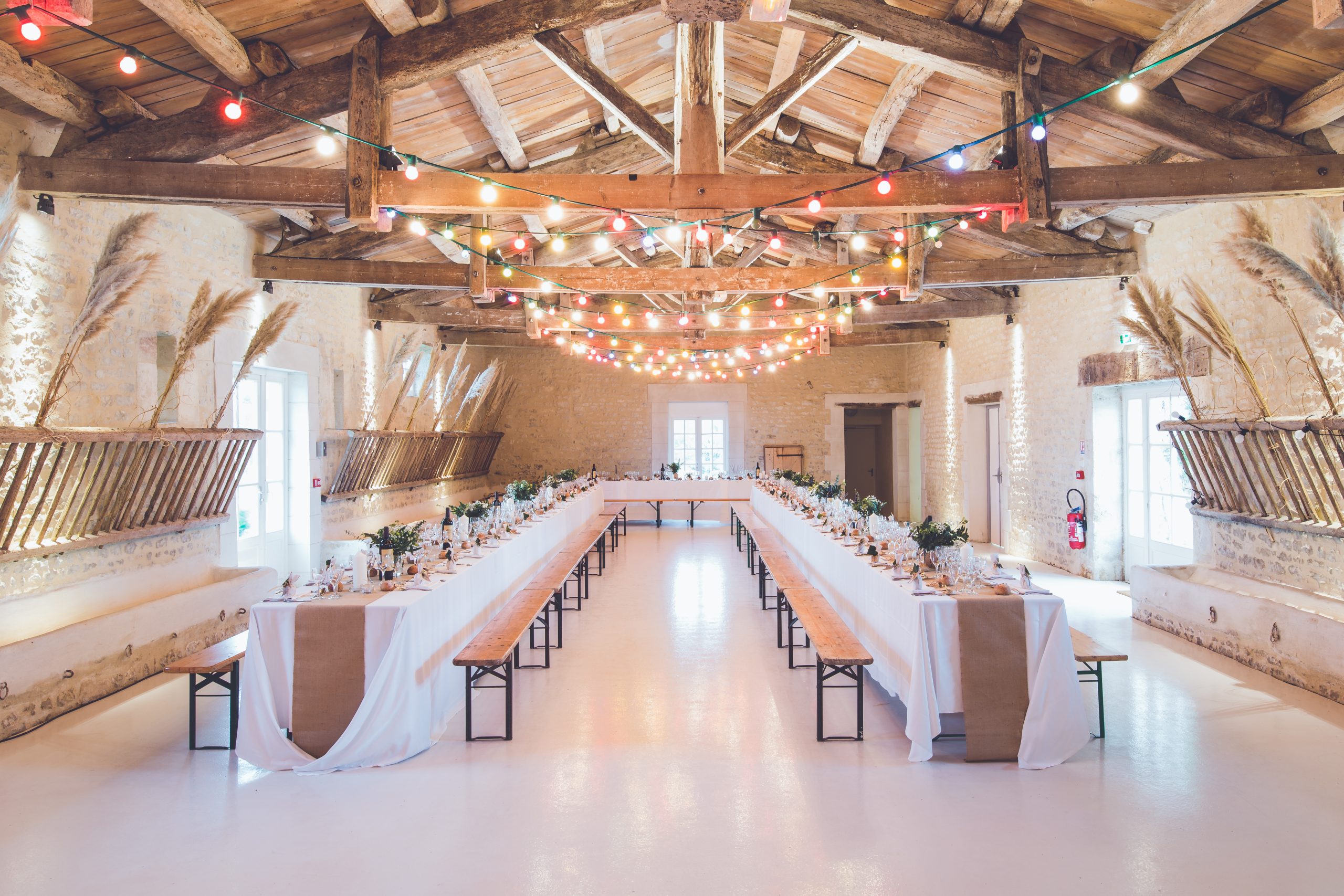
| One long table | In clusters of three to five | Centre of the long side | Ends feeling cut off |
| Round table (up to about ten) | Everyone can see everyone | Facing the room, host beside them | Hard to talk across a wide round |
| Two or more separate tables | Each table is its own party | At the table you sit at | One table feeling like the overflow |
| U-shape or top table | Formal, speech-friendly | Centre of the top table | Guests with their backs to the speaker |
If the restaurant offers a long table built from smaller ones, ask whether there will be a join at a particular point. Seating a couple either side of a gap is a small thing that annoys people all evening.
Mixing guests without making it a puzzle
Traditional formal dinners seated guests strictly by rank and alternated men and women. Emily Post’s notes on official luncheon and dinner seating still describe that system, and also say that where guests have no official rank the host ranks them as they choose, weighing things like age and shared interests. For a family or friends’ meal, that last part is the useful bit: think about who will genuinely enjoy talking to whom.
A few working rules:
- Seat couples near each other but not necessarily side by side; across the table works well and widens both people’s conversation.
- Give anyone who knows only one person a seat next to that person.
- Split up any pair who will talk only to each other all night.
- Put children beside the adult responsible for them, never at a far end on their own.
- If two guests do not get on, place them on the same side of the table, several seats apart, so they are not forced into eye contact.
For mixed-age groups, the family-style dining comparison explains how sharing platters can help a long table feel connected rather than split into islands.
Access and comfort come first
Draw the plan around the guests with practical needs before anyone else. That means a wheelchair user, someone using a walking frame, a guest who is pregnant, a parent with a pram, or anyone with a hearing aid. Ask the restaurant which seats have step-free access and enough space around them; do not assume the table they offer will work. If you are booking for a crowd, the steps in booking a large group reservation include the questions to ask on the phone.
Place cards are optional at a casual dinner but genuinely helpful with more than ten people. Fold a card, write a first name clearly, and put it on the plate or glass. Bring a spare pen in case of a last-minute swap.
Frequently asked questions
Does the host sit at the head of the table?
Not necessarily. At a long table the middle of one side is often better, because you can see everyone, reach the staff easily and keep conversation moving. Sit wherever you can do the job of hosting.
Should I tell guests about the plan in advance?
There is no need. Arrive a few minutes early, put the cards out and greet people as they come in. Sharing the plan ahead invites requests to move.
What if someone swaps their place card?
Let small swaps go unless they affect someone with a specific need. If a swap leaves a guest stranded, a quiet word asking them to sit where the card is usually sorts it.
Drawing your own plan tonight
Sketch the table shape the restaurant confirms, mark the best seat, then add the guests with access or comfort needs. Fill the middle with your most sociable people and use the ends for anyone who may need to step away. Keep the sketch on your phone, and browse our other hosting guides for the rest of the evening.