Teaching kids table manners works best as a slow, steady habit rather than a set of rules delivered all at once. Model the behaviour yourself at every family meal, choose two or three manners to focus on for your child’s age, give simple reasons, praise effort rather than perfection, and practise at home before testing it in a restaurant. Keep mealtimes pleasant. A child who enjoys sitting at the table will learn manners far more quickly than one who dreads being corrected.
Here is a step-by-step approach that grows with your child.
Key takeaways
- Children copy what they see, so your own manners are the main lesson.
- Focus on a few age-appropriate habits at a time, not a long list.
- Explain the reason behind each manner: it helps others enjoy the meal.
- Praise specific good behaviour and keep corrections short and calm.
- Practise at home, then try short, easy restaurant meals.
Step 1: Model the manners you want to see
Children learn far more from watching than from being told. Victoria’s Better Health Channel notes that toddlers learn social skills by watching the family eat together, and recommends sitting down to eat yourself and turning the television off.
If you want your child to say please and thank you, put phones away and stay seated, do the same yourself, every time. Regular shared meals give them daily practice. Our piece on why family meals matter explains why those meals are worth protecting.
Step 2: Choose a few habits for your child’s age
A long list of rules overwhelms young children. Pick a small number, master them, then add more.
| Age | Habits to focus on |
|---|---|
| Toddlers | Sitting for a short meal, using a spoon or fingers, saying please and thank you |
| Preschoolers | Staying seated, using a fork, chewing with mouth closed, napkin on lap |
| Early school age | Waiting until everyone is served, asking for things to be passed, using knife and fork together |
| Older children | Joining the conversation, not interrupting, thanking the cook or host |
Expectations should match the stage. The Better Health Channel reminds parents that sitting down for any length of time is an effort for a young child, and that behaviour changes take time and effort.
Step 3: Explain the reason behind each manner
Manners make more sense to children when they understand why. Keep the reasons simple:
- We chew with our mouths closed because nobody wants to see our food.
- We ask for things to be passed because reaching across someone’s plate is uncomfortable for them.
- We wait for everyone to be served so that the meal is shared.
- We say thank you because someone worked to make the food.
Many of these customs are shared widely. In the European tradition, for example, the table manners entry on Wikipedia lists chewing with the mouth closed, keeping the napkin on the lap and asking for dishes to be passed rather than reaching. It also notes that customs vary between cultures, which is worth explaining to children who eat with family or friends from different backgrounds.
Step 4: Praise specific behaviour and correct gently
“Well done for asking so nicely for the water” teaches more than a general “good job”. Specific praise tells your child exactly what to repeat. The Better Health Channel suggests praising children whenever they show good table manners, and avoiding sweets or desserts as bribes.
When something goes wrong, keep the correction short and quiet: a reminder, not a lecture. Avoid turning every slip into a discussion; mealtimes that feel like a test become something children try to escape.
Step 5: Practise teaching kids table manners at home
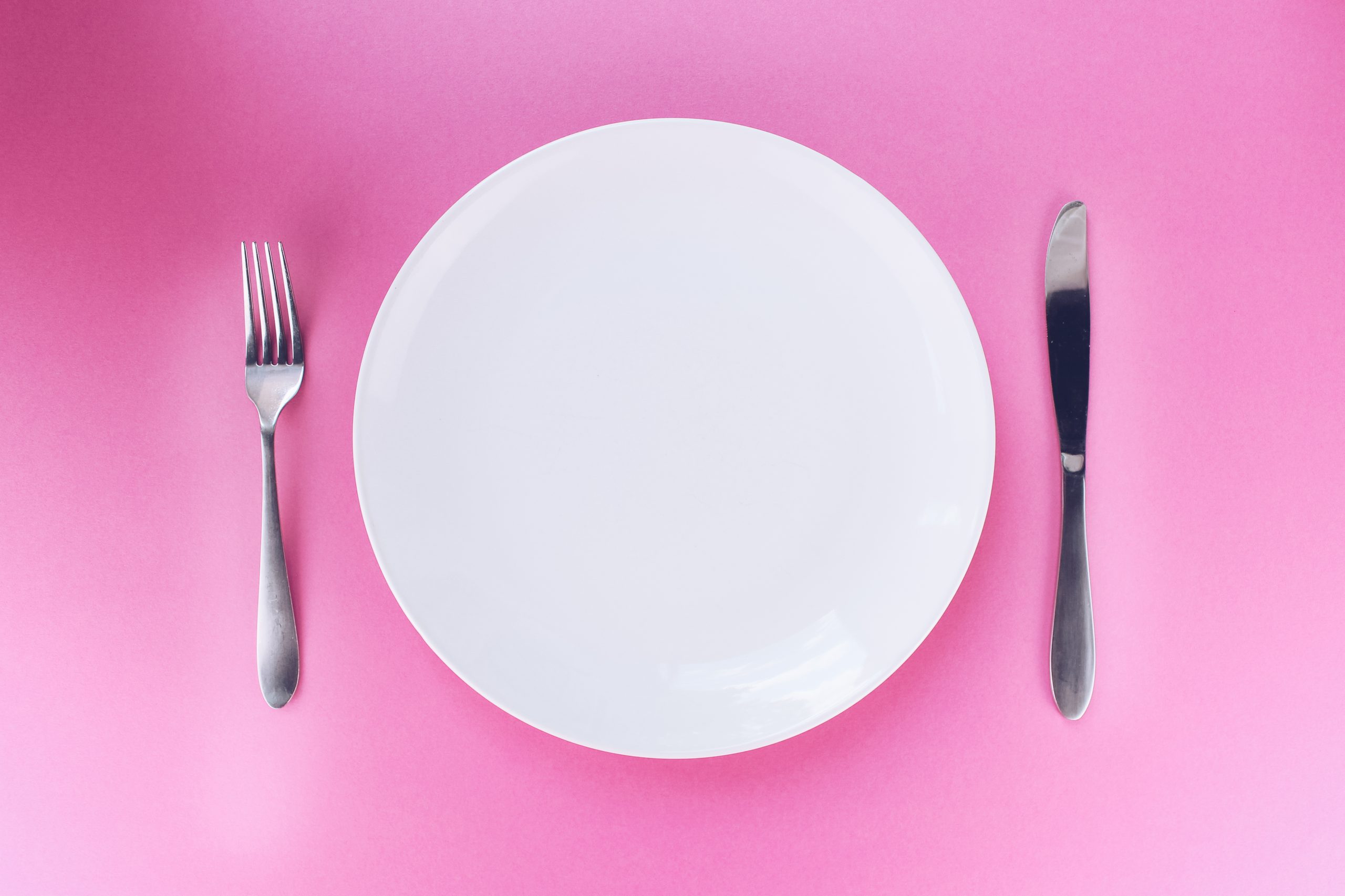
Treat some home meals as rehearsals for eating out. Lay the table properly with a knife, fork and napkin. Let your child pour water from a small jug, ask for dishes to be passed and order “from the menu” by choosing between two options. Make it fun, not formal.
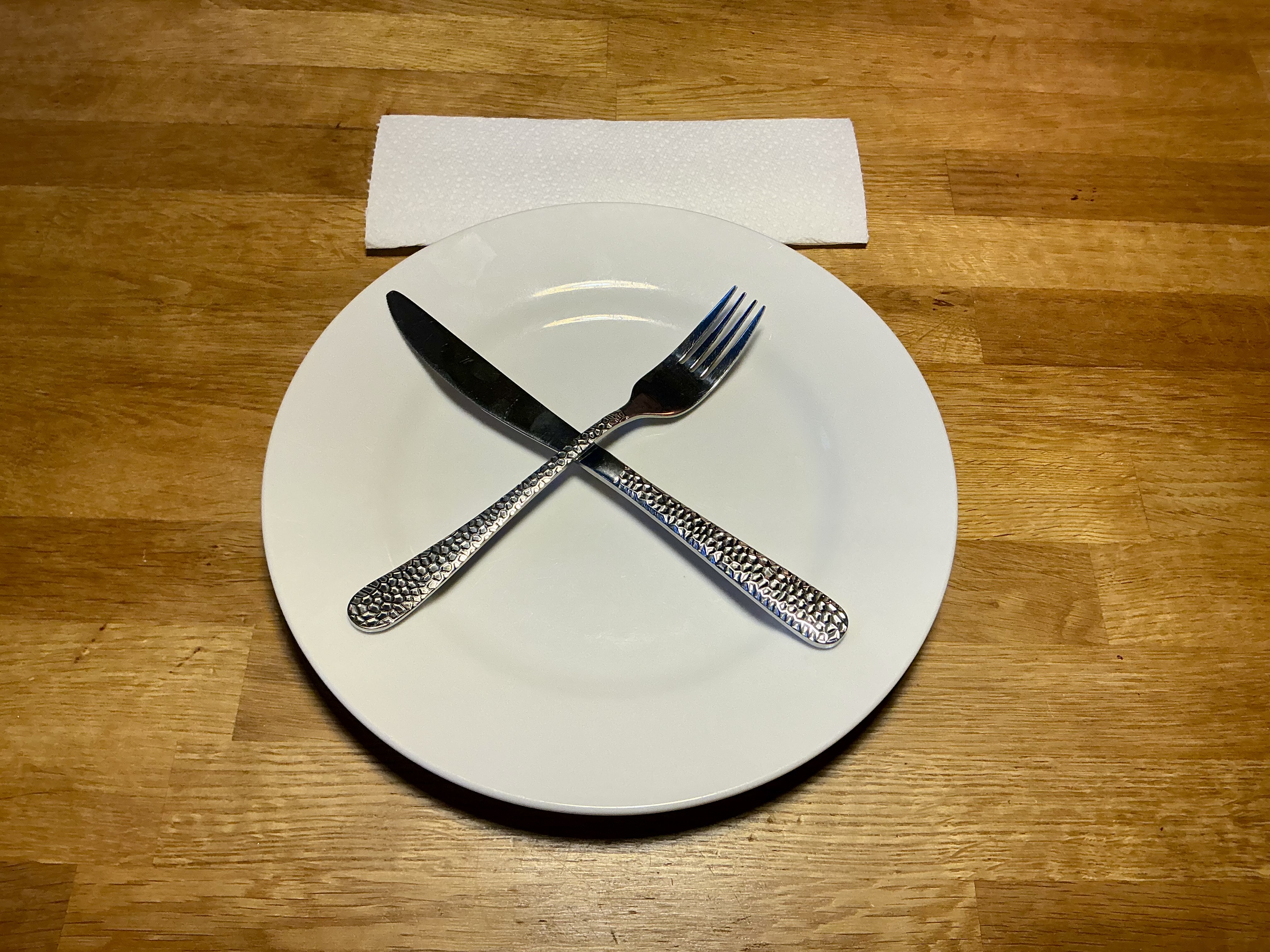
You can also teach small restaurant skills at home: how to look at a menu, how to speak to a server, and what to do with their cutlery when they have finished.
Step 6: Try it out at a restaurant
Start with short, relaxed meals at family-friendly places, at quieter times. Remind your child of one or two things to remember before you go in, then let them get on with it. If they need something to do while waiting, our checklist on how to keep kids busy at restaurants has ideas.
For very young children, the main goals are simpler: sitting safely, eating and leaving on a good note. Our step-by-step plan for eating out with a toddler covers that stage.
Frequently asked questions
At what age should children start learning table manners?
Very early, through example. Toddlers can learn to sit at the table and say please and thank you; more detailed manners come gradually as their skills develop.
What if my child eats with their fingers?
For toddlers, that is normal and often encouraged as they learn to feed themselves. As they get older, introduce cutlery gradually, and remember that some foods are meant to be eaten with fingers.
How do I handle bad manners in a restaurant?
Stay calm and keep any correction quiet and brief. If behaviour escalates, take your child for a short break outside. Praise them when they return and try again.
Small steps, every meal
Choose one manner to focus on this week and model it yourself at every meal. Praise each time you see it. Next week, add another. Over a few months, those small steps add up to a child who is comfortable and confident at any table. For more on eating out with children, see our Kids & Family guides.