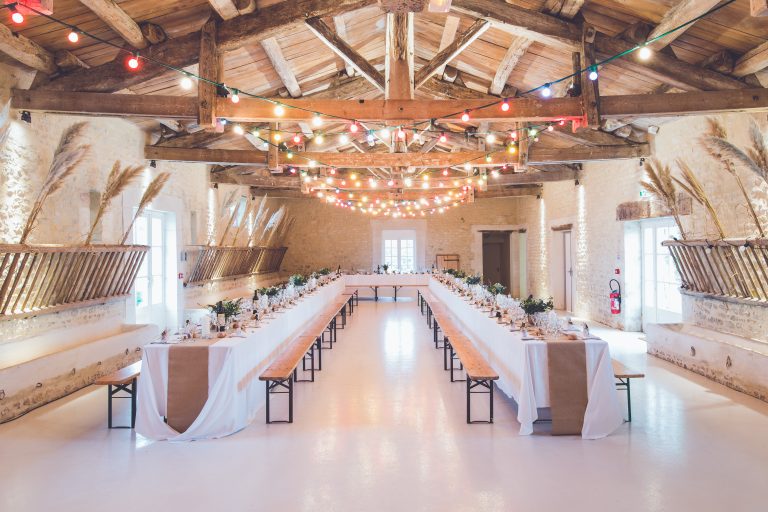
Hosting a restaurant dinner means taking responsibility for the occasion even though the restaurant does the cooking. Make the invitation clear about who is paying, brief the restaurant in advance about numbers, dietary needs and the bill, arrive before your guests, guide the ordering lightly so nobody feels awkward, and settle the bill discreetly. Your job on the night is less about food and more about making people feel looked after.
Here is how to do it, step by step.
Key takeaways
- Say clearly in the invitation whether you are treating everyone or the bill will be shared.
- Call the restaurant ahead with numbers, dietary needs and how you want to pay.
- Arrive early to check the table and greet guests as they come in.
- Set the tone for ordering by making a suggestion or two, especially if you are paying.
- Settle the bill quietly, away from the table if possible.
Step 1: Make the invitation clear
Ambiguity about money is the biggest source of awkwardness at restaurant dinners. When you invite people, say plainly what the arrangement is. “I would love to take you all out for my birthday, my treat” means something very different from “Shall we all go out for dinner on Friday?”
If you are paying, say so. If the bill will be shared, say that too, and mention roughly what kind of place it is so guests know what to expect. For larger groups, our guide to booking a large group reservation covers set menus, deposits and the questions to ask.
Step 2: Brief the restaurant in advance
A short call a few days before can make the evening run far more smoothly. Confirm the number of guests and the time, ask for a suitable table, and pass on any dietary needs or allergies you know about. GOV.UK’s guidance for diners notes that restaurants must give accurate information about allergens and that you can ask how food is handled in the kitchen, so it is worth checking for any guest with a serious allergy.
This is also the moment to sort out payment. If you are treating everyone, ask whether you can leave a card on arrival or settle at the bar, so the bill never comes to the table.
Step 3: Arrive early when hosting a restaurant dinner
Get there ten or fifteen minutes before your guests. Check that the table is the one you asked for, decide where you will sit, and think about where people might like to be placed: a quieter guest next to someone chatty, a guest of honour facing the room, anyone with mobility needs nearest the door.
Greet guests as they arrive, introduce people who do not know each other, and get drinks ordered so nobody sits waiting. These small touches are what guests remember.
Step 4: Guide the ordering
Debrett’s guidance for guests puts it neatly: when someone invites you out and pays, they are running the show, organising orders, choosing the wine and making suggestions. It also advises guests not to feel pressured into the most expensive dish unless the host suggests it. As host, you can use that to put people at ease.
- Make one or two recommendations, ideally in different price ranges, so guests know what is welcome.
- If you want starters and pudding, say so, or order them for the table.
- Order the wine, if there is any, and offer good non-alcoholic choices too.
- Keep an eye on anyone who seems unsure and help them choose.
If the menu suits it, ordering a few dishes to share can relax a table. Our comparison of family-style dining and individual plates explains when sharing works and when it does not.
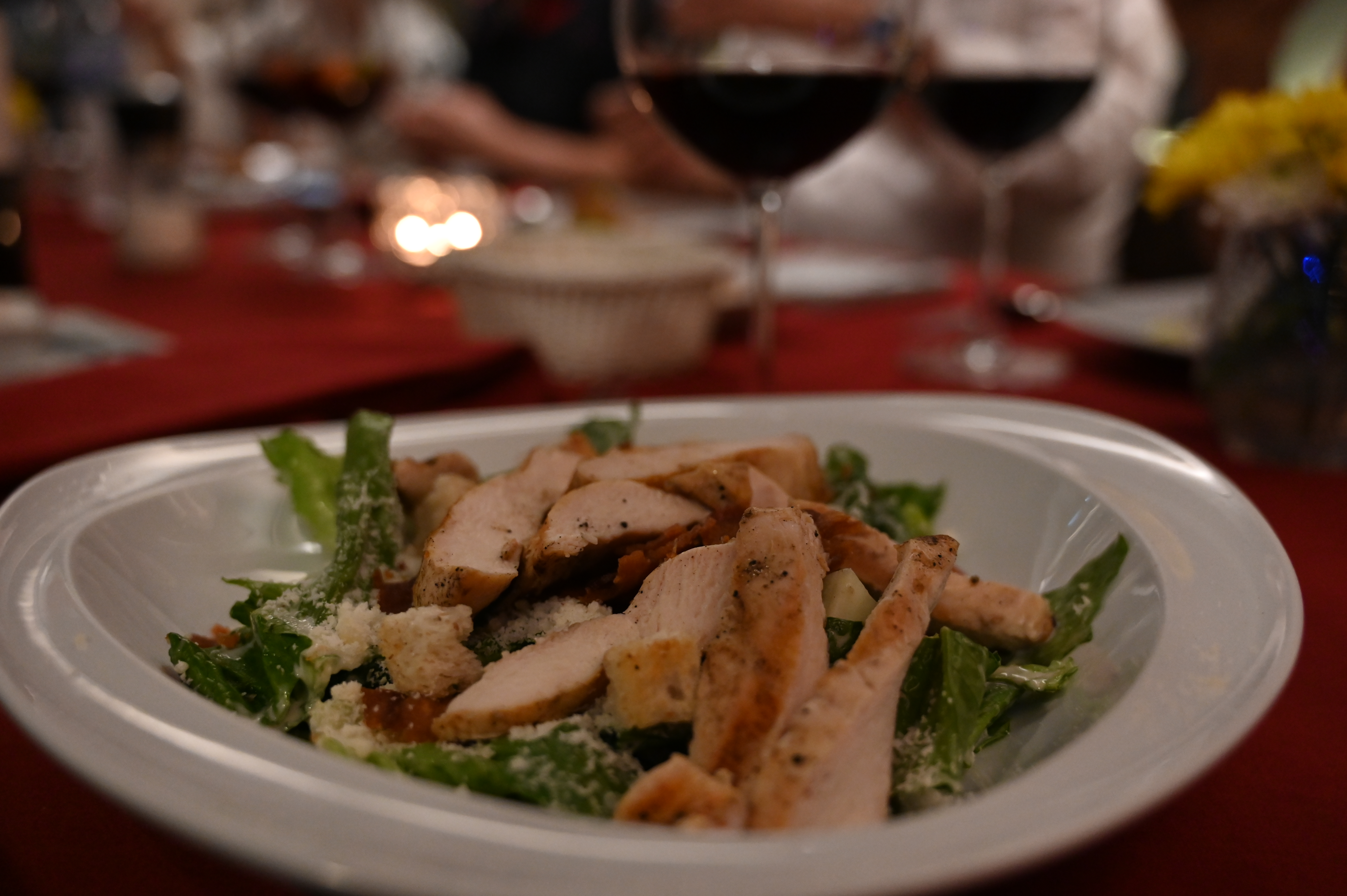
Step 5: Keep the evening flowing
During the meal, your role is quiet attention. Watch for empty glasses, check that everyone’s food has arrived together, and deal with small problems discreetly. If a dish is wrong, a quiet word with the server is better than a fuss at the table. Draw quieter guests into the conversation and keep an eye on the time if anyone needs to leave early.
If you plan to say a few words, do it between courses, while people are still settled and before the bill arrives.
Step 6: Settle the bill gracefully
If you are paying, the cleanest approach is to settle away from the table, at the bar or by catching the server’s eye. If guests offer to contribute, a warm “No, this is my treat” is enough.
On service charges and tips, it helps to know that in Great Britain, the government’s statutory code says the law in force since 1 October 2024 makes it mandatory for all tips to be passed on to workers without deductions. If you are unsure whether a service charge has already been added, ask.
| Situation | Graceful approach |
|---|---|
| You are treating everyone | Leave a card on arrival or pay at the bar |
| The bill is being shared | Agree the method when you invite people |
| A guest insists on paying | Thank them and suggest they host next time |
| A mistake on the bill | Raise it quietly with the server, away from guests |
Frequently asked questions
Does the person who invites always pay?
Not always, but the person who invites is the host, and the clearest approach is to say how the bill will work when you invite. If you say “my treat”, you pay. If you suggest a group meal, it is fair to expect people to pay their share.
Where should the host sit?
Somewhere you can see the room and catch the server’s eye, usually near the middle of a long table or facing the entrance. That makes it easier to look after everyone.
What if a guest orders far more than everyone else?
If you are paying, let it go graciously; it is part of hosting. If the bill is shared, splitting by what each person ordered avoids resentment, which is another reason to agree the method in advance.
Your next dinner as host
Before your next event, jot down four things: who is coming, the payment arrangement, any dietary needs and where people will sit. Make one call to the restaurant to cover them all. For more on being a confident host, explore our Hosting guides.