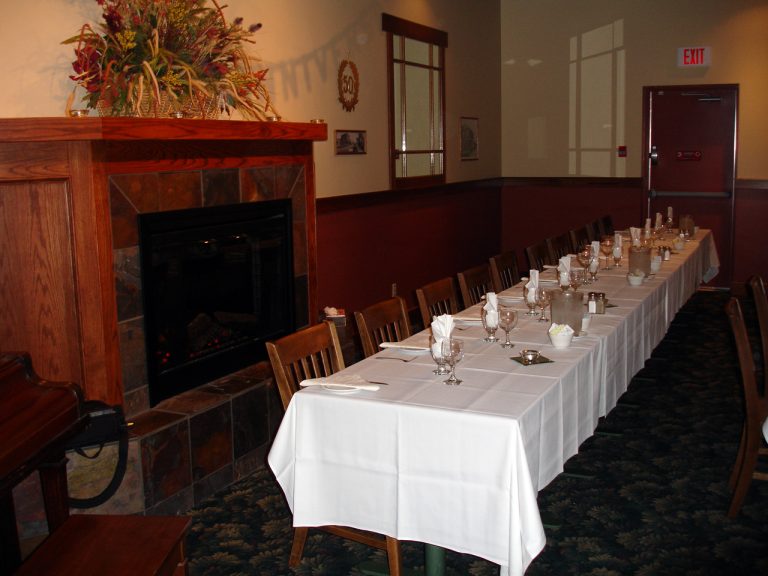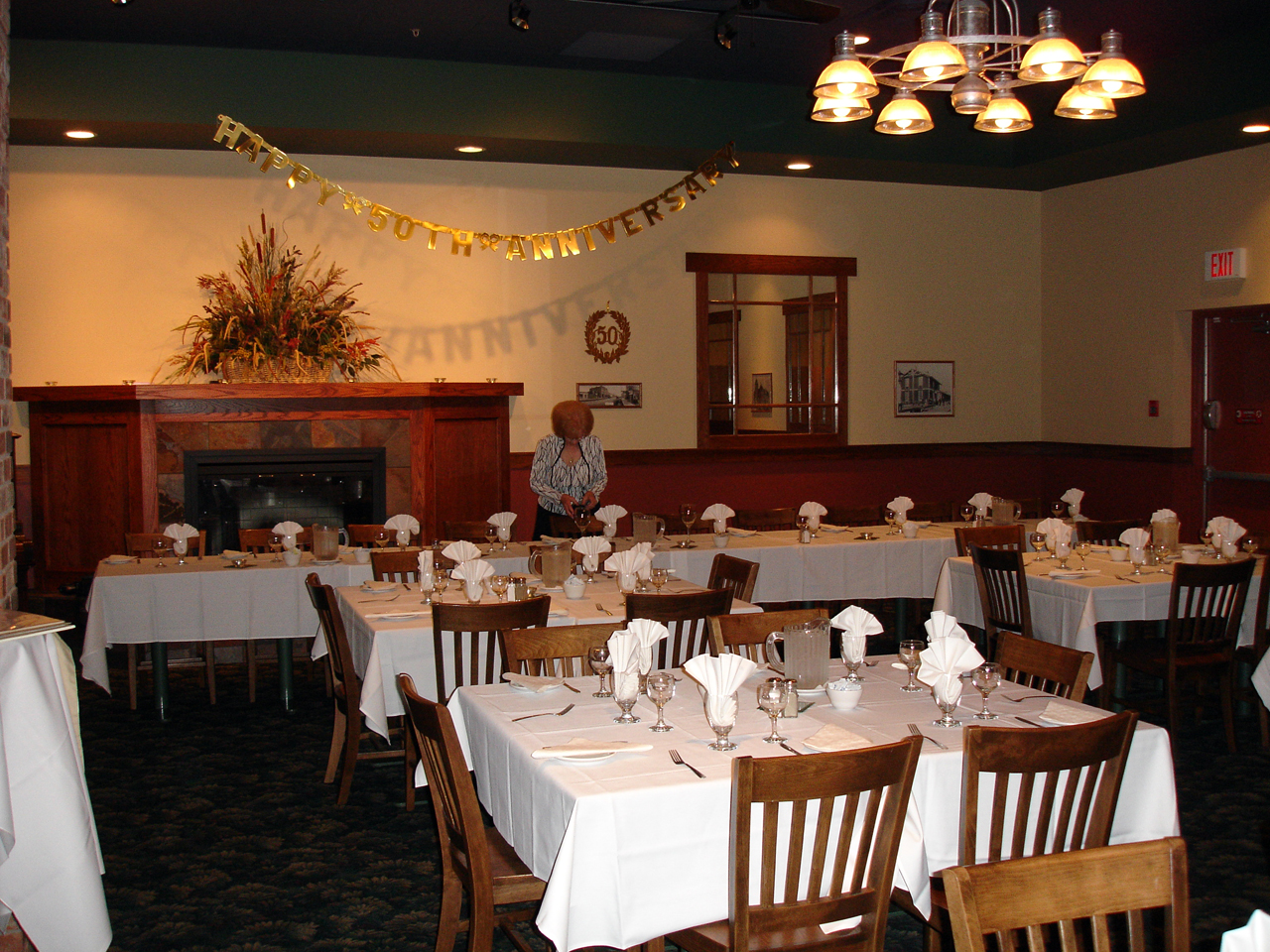
A private dining room is a separate space inside a restaurant that a single group books for itself, usually with its own table, its own staff and a menu agreed in advance. It suits birthdays, anniversaries, family reunions and work dinners where you want to talk, make a toast or give a speech without sharing the room. Most come with booking terms that differ from an ordinary table, so it pays to understand how they work before you sign anything.
Key takeaways
- Private rooms are booked by one group and usually come with a pre-agreed menu.
- Expect a deposit, a minimum spend or a minimum number of guests.
- Semi-private areas usually come with lighter terms but less quiet.
- Ask about access, allergies, timings and extras in writing before you confirm.
What counts as a private dining room
Restaurants use the term loosely, so ask what you are actually getting.
| Type | What it is | Good for | Trade-off |
|---|---|---|---|
| Fully private room | Enclosed room with a door, used only by your group | Speeches, surprises, privacy | Strictest booking terms |
| Semi-private area | A screened or curtained section of the main room | Medium groups who want some separation | You will hear the main room |
| Chef’s table or kitchen table | A table in or beside the kitchen | Small groups who enjoy watching the cooking | Often noisy and warm |
| Exclusive hire | The whole restaurant for your group | Large parties | Most planning and commitment |
When a private room is worth it
A private room makes most sense when the group is large enough that a long table in the main dining room would feel cramped, when someone plans to give a speech, or when you want children or older relatives to be comfortable without worrying about other diners. It is less useful for a small, quiet group that would be just as happy at a good corner table. If you are unsure, ask the restaurant what group size the room is designed for: a room built for twenty can feel empty and echoey with eight.
How booking terms usually work
Every restaurant sets its own terms, but most private dining arrangements involve some combination of the following:
- A deposit to secure the date, with clear rules on when it is refundable.
- A minimum spend or minimum numbers, which the restaurant needs to make the room worth reserving.
- A set or pre-ordered menu, so the kitchen can cook for the whole group at once.
- A fixed time slot, with a set finish time.
- A service charge, sometimes added automatically for groups.
None of these is unusual, but each affects your evening. Read the written terms carefully and ask what happens if numbers drop. Our step-by-step guide to booking a large group reservation covers deposits and cancellation policies in more detail.
The menu: set, pre-order or sharing
Most private rooms will ask you to choose from a short event menu. Three common formats:
- One set menu for everyone, with alternatives for dietary needs.
- A pre-order from a limited list, collected from guests before the day.
- Sharing platters served to the centre of the table.
If guests are choosing in advance, our group pre-order menu checklist explains how to collect choices without endless messages.
Allergies need particular care when food is prepared in volume. In the UK, government allergen guidance says food businesses must provide information on every item containing any of the 14 regulated allergens, and recommends written information supported by a conversation. Send the restaurant a list of allergies by guest name, and ask them to confirm how each will be handled.

Access, layout and comfort
Private rooms are sometimes upstairs, down a short flight of steps or at the back of a building. Ask before you book, not when an older relative arrives. In the United States, the ADA Standards for Accessible Design require restaurants to provide an accessible route to all dining areas, including raised or sunken areas, but rules differ elsewhere and older buildings vary. Questions worth asking:
- Is the room step-free from the entrance, and is there an accessible toilet nearby?
- How warm does it get with a full room, and can windows open?
- Is there a sound system or microphone for speeches, if you need one?
- Where will coats, gifts and a cake go?
Once you know the table shape, our explainer on restaurant seating plans helps you decide who sits where.
Extras you may want to arrange
Many restaurants can help with small touches, but agree them in advance and in writing:
- Bringing your own cake, and whether there is a charge for serving it.
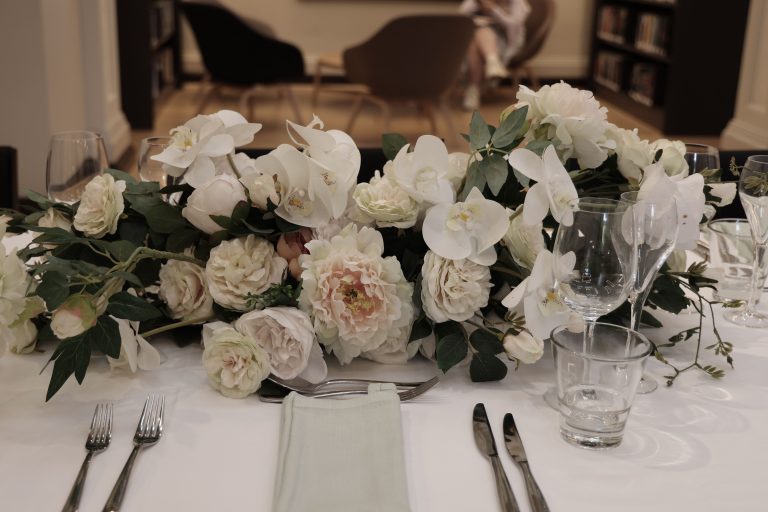
- Place cards, printed menus or simple decorations.
- A toast with a particular drink, or a non-alcoholic alternative for everyone.
- Timing for speeches between courses.
- How the bill will be presented and settled.
Frequently asked questions
How far ahead should I book a private dining room?
As early as you can. Rooms are often booked weeks or months ahead around holidays and in popular seasons. Ask for a provisional hold while you confirm guest numbers.
What happens if fewer guests turn up?
That depends on the terms. With a minimum spend or minimum numbers, you may still be charged as agreed. Ask the restaurant to explain the rules in writing before you pay a deposit.
Is a private dining room suitable for children?
Often it is ideal, because children can move a little without disturbing other diners. Check that high chairs fit, and that the room has no hazards such as a nearby staircase.
Choosing the right room
Shortlist two or three restaurants, visit or ask for photos of the room, and compare the written terms side by side. Choose the one where the space, the menu and the access suit your guests, not only the one with the grandest room. For more milestone planning, browse our celebrations guides.