Eating out with teenagers goes best when you hand over some of the decisions. Let them help choose the restaurant, order for themselves and manage a set budget, agree a few ground rules about phones and timing in advance, and treat the meal as a chance to practise skills they will use on their own. Teenagers are often hungry, opinionated and short on patience for long meals, so picking the right kind of place matters as much as the menu. Here is a step-by-step approach that keeps the peace and builds independence.
Key takeaways
- Give teenagers a real say in choosing where to eat.
- Let them order and talk to staff themselves.
- Agree a budget per person, so choices feel fair.
- Use meals out to practise healthier choices without lecturing.
Step 1: Choose the restaurant together
Teenagers who have helped pick the restaurant are far more likely to enjoy the meal. Offer a shortlist of two or three places that work for the whole family and let them make the final call, or take turns choosing. Our checklist for choosing a family-friendly restaurant still applies, but with teenagers the priorities shift: bigger portions, more choice and a less formal atmosphere often matter more than high chairs and colouring sheets.
Step 2: Let them order for themselves
Ordering, asking questions and dealing with a mistake politely are life skills. Encourage your teenager to speak to the server directly, ask about dishes they are unsure of and mention their own allergies or dietary needs. If they are nervous, practise the questions beforehand. Our guide to teaching kids table manners covers the basics, which teenagers can now take responsibility for.
Step 3: Set a budget rather than vetoing dishes
Instead of saying no to individual items, give each person a rough spending limit and let them decide how to use it: a bigger main and no dessert, or a starter and a pudding. It removes arguments about “why can’t I have that” and teaches trade-offs. Older teenagers can also take a turn at working out the bill and the tip.
Step 4: Make eating out with teenagers a healthier habit, not a lecture
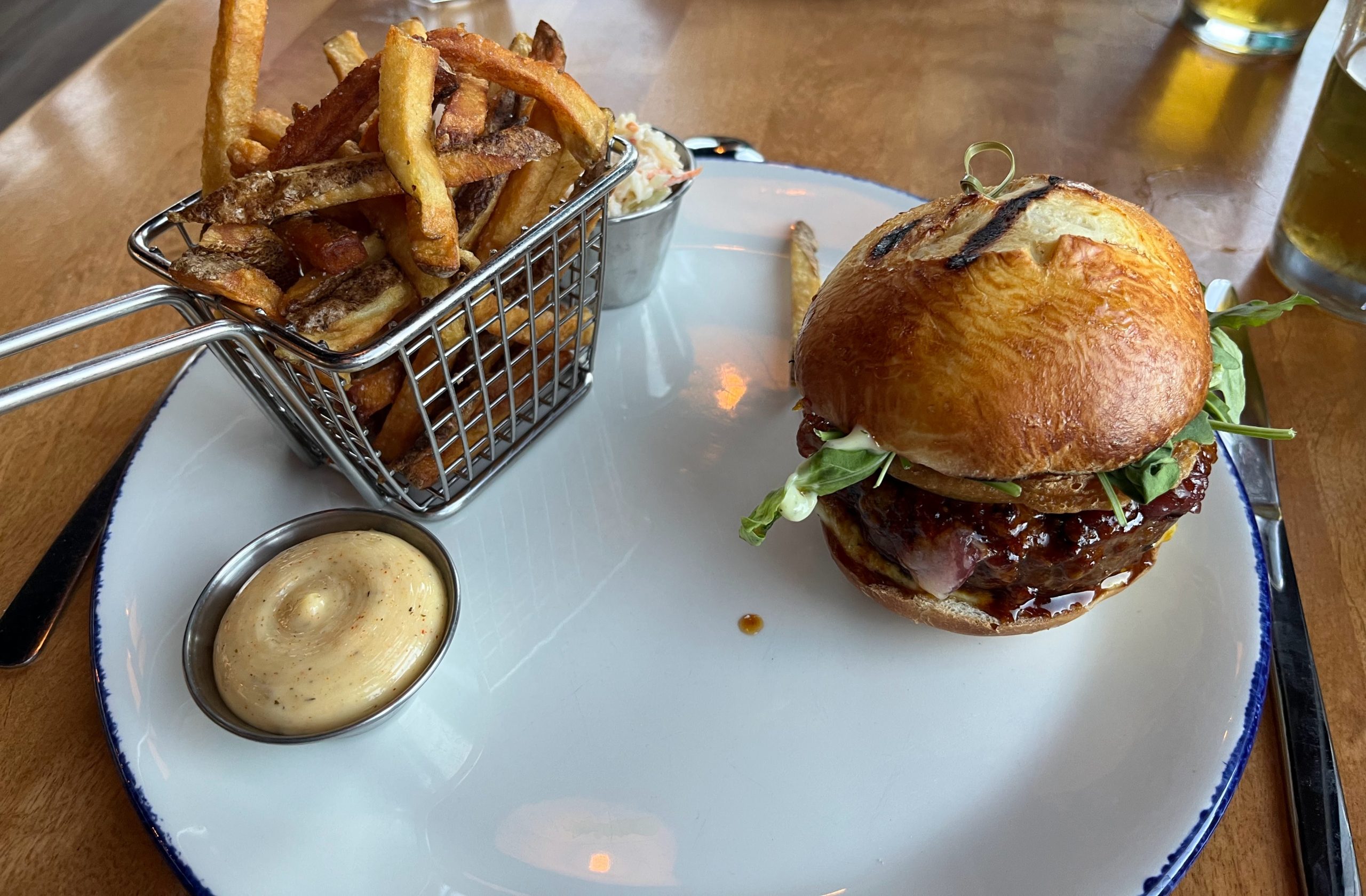
Teenagers often gravitate to burgers, fries and fizzy drinks, and that is fine sometimes. The American Academy of Pediatrics’ parenting site offers practical tips on healthier choices at fast-food restaurants: check the menu online before you go, choose grilled or baked items over fried or breaded ones, consider water or unsweetened drinks instead of soft drinks or shakes, and share a large portion or take half home for later.
Rather than banning foods, which can make them more appealing, Kent Community Health NHS Foundation Trust’s guidance on healthy eating for teenagers suggests planning meals together and helping teenagers develop the life skills they need, such as shopping, cooking and reading food labels. Reading a menu with calorie or allergen information is part of that.
| Situation | What usually works |
|---|---|
| They always want the same thing | Agree one new dish to try each month |
| Huge portions | Share a main or take leftovers home |
| Fizzy drinks with every meal | Water by default, a treat drink occasionally |
| Long, formal meals | Choose places with quicker service for everyday meals |
| Special occasions | Let them help plan the menu and the day |
Step 5: Agree the phone rules in advance
Phones at the table are a common flashpoint. Decide the rule before you arrive, apply it to adults too, and keep it simple: phones away until the food has been ordered, or away during the meal and allowed for dessert. Our look at screen-free mealtimes explains why the same rule for everyone tends to work better than one-sided bans.
Step 6: Plan around hunger and timing
Teenagers who arrive starving are rarely good company, and growing bodies need regular meals. Avoid booking late if lunch was early, or bring a snack for the journey. If the restaurant is busy, order quickly and ask for bread, a side or a starter to arrive first. For everyday meals, places with faster service or counter ordering often suit teenagers better than a long, formal dinner. Save the slower, more special restaurants for celebrations, when everyone knows the meal is the main event and the evening is planned around it.
Inviting a friend along can make a family meal more appealing to a teenager. Check the friend’s dietary needs and agree in advance who is paying. It is also a good opportunity for your teenager to practise being a host.
Frequently asked questions
At what age can teenagers order for themselves?
There is no set age. Many children are ready to order with support well before their teens; by the teenage years most can handle ordering, asking questions and checking the bill.
Should teenagers pay for their own meals?
Some families ask older teenagers to contribute from their own money for some meals out, which helps them understand budgets. Others prefer to pay but set a limit. Choose what suits your family.
How do we handle a teenager who will not eat anything on the menu?
Let them choose the restaurant next time, check menus online in advance and allow simple swaps. Avoid turning the meal into a standoff.
Turning meals out into independence
Choose together, let them order and pay attention to the budget, agree phone rules for everyone and keep healthier choices practical rather than preachy. Eating out with teenagers becomes easier when they feel trusted with the decisions. For more family dining ideas, browse our kids and family guides.