Screen-free mealtimes are less about banning devices and more about protecting one shared part of the day. Health bodies do not ask families to give up screens altogether; they suggest choosing times and places where screens are put away, and meals are one of the easiest to start with. Below are the myths we hear most often, set against what the guidance actually says, plus practical ways to make it work at home and when you eat out.
Key takeaways
- Paediatric guidance now focuses on family media plans more than fixed daily limits.
- Device-free meals are a commonly recommended first step.
- Adults’ phone habits shape children’s habits, so the rule works best when everyone follows it.
- For under-fives, the WHO recommends little or no sedentary screen time.
Myth: there is an official daily limit you must stick to
Fact: Guidance has shifted. In early 2026 the American Academy of Pediatrics published new recommendations on children and digital media, and reporting by EdSurge on the AAP update describes the removal of a set daily screen time limit as one of the biggest changes from the 2016 guidance. Instead the AAP recommends a family media plan, in which the household agrees its own boundaries together.
For very young children there is still clear advice. The World Health Organization’s 2019 guidelines on physical activity, sedentary behaviour and sleep for under-fives say screen time is not recommended for babies under one, sedentary screen time is not recommended for one-year-olds, and for two- to four-year-olds it should be no more than an hour a day, with less being better.
Myth: screen-free mealtimes are an all-or-nothing rule
Fact: Most guidance frames it as a starting point, not a total ban. In the EdSurge report, a developmental and behavioural paediatrician who co-authored the AAP report suggests that families begin with a device-free meal time, because shared meals are linked with healthy children. A paediatrician writing on the AAP Voices blog in February 2026 suggests phone-free routines around meals and bedtime, and puts it neatly: “The goal is not abstinence. It is agency.”
That framing helps. You are not declaring war on technology. You are choosing one daily moment where it waits.
Myth: it only matters for the children
Fact: Children copy what they see. The same AAP Voices article notes that children learn media habits by watching the adults around them, in much the same way they learn language. If parents check messages between bites, a rule that applies only to the children will not last long.
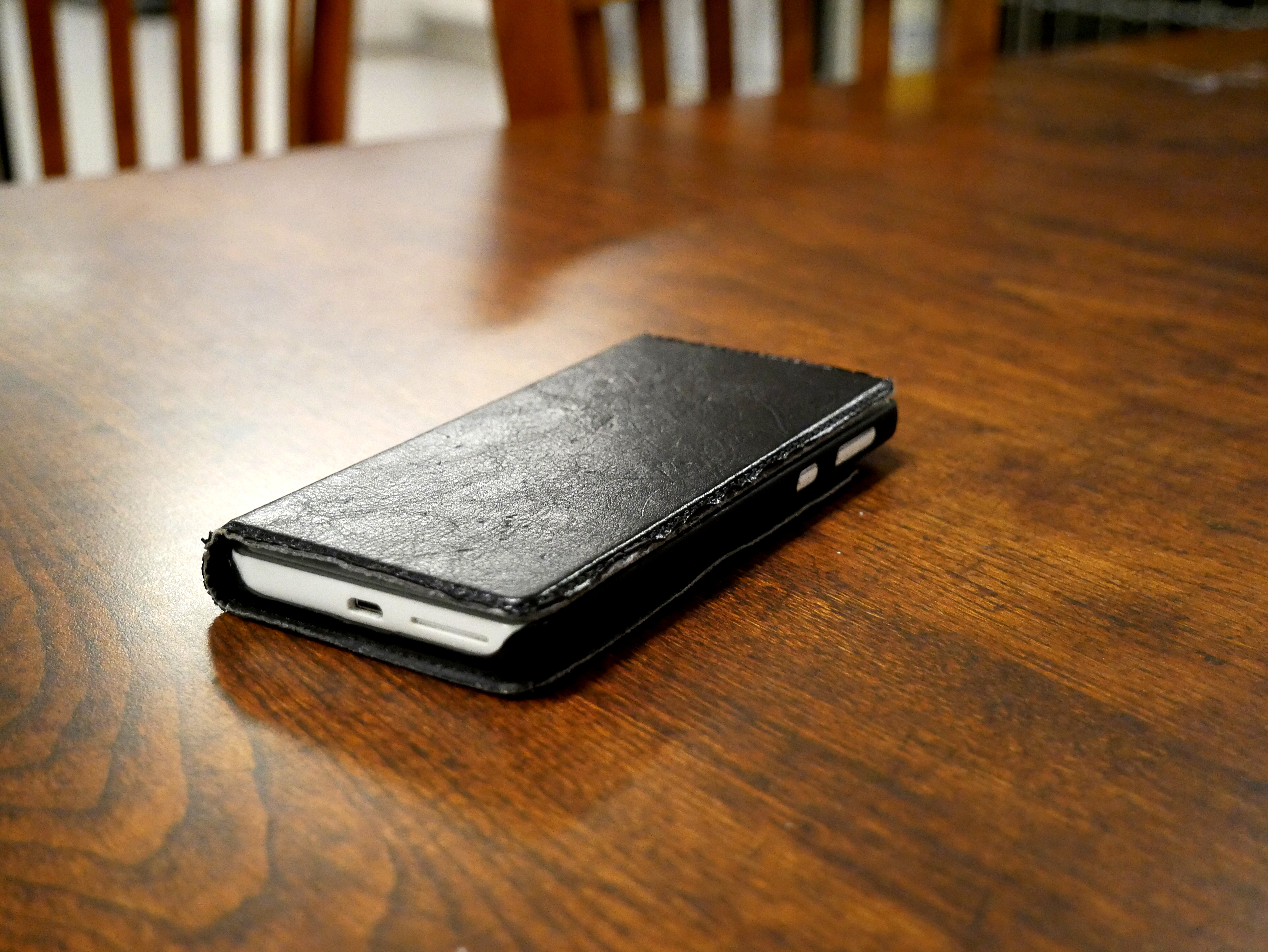
The simplest fix is one shared place where every phone goes during the meal, including the adults’. A bowl on the sideboard or a shelf in the hall works. Face down on the table is better than in your hand, but out of sight is better still.
Myth: children will be bored and the meal will fall apart
Fact: Some children will protest at first, but boredom at the table is usually a sign the meal needs a little structure, not a screen. A few ideas that work at home and in restaurants:
- Give each person a turn to share one good thing and one hard thing from the day.
- Ask open questions that cannot be answered with yes or no.
- Let a child choose a topic or a question for the whole table.
- Keep a short list of no-equipment games for waits between courses.
When you are eating out, the wait for food is the hard part. Our guides to table games for kids while you wait and how to keep kids busy at restaurants are full of screen-free options that need nothing more than a napkin and a pencil.
Myth: it makes no real difference
Fact: The benefit is mostly about what the meal makes room for: conversation, noticing food, and noticing each other. The AAP co-author quoted by EdSurge links going device-free with better social interaction and connection. Our longer piece on why family meals matter looks at the wider case for eating together.
| Common worry | What tends to help |
|---|---|
| A child refuses to put a tablet away | Warn five minutes ahead, then put it in the shared place yourself |
| A parent is on call for work | Agree that one phone can stay in another room on sound |
| Older children feel singled out | Make it a household rule, adults included |
| Restaurant waits feel endless | Bring a pocket game or a small notebook instead |
| Grandparents use the phone for photos | Take photos at the start, then put phones away |
Frequently asked questions
Should the television be off during meals too?
Yes, if you can. A television in the background pulls attention in the same way a phone does, and it makes conversation harder for anyone with hearing difficulties.
What about using a screen to get a toddler through a restaurant meal?
It is a judgement call, and most parents have done it. For under-fives, the WHO’s advice on keeping sedentary screen time low is worth keeping in mind; try bringing a small book or crayons first and keep the screen as a last resort.
How do we start if phones are already a habit at our table?
Start with one meal a week, the one you are most likely to eat together. Once that feels normal, add another. Small, consistent steps last longer than a sudden rule.
Making the first phone-free meal happen
Pick a meal this week, choose the spot where phones will wait, and tell everyone the plan in advance, including yourself. Have a question or two ready for the table. For more ideas on everyday family life around food, browse our lifestyle articles.