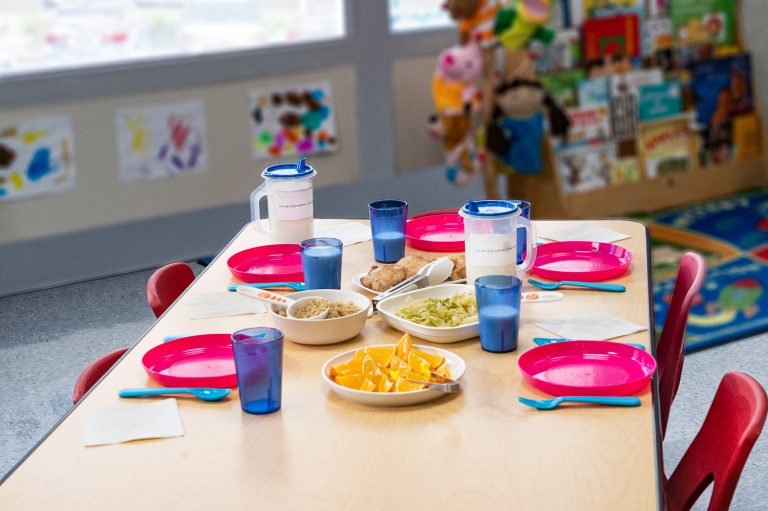
Family meals matter because they give children regular exposure to a range of foods, a predictable time to talk, and a model of how adults eat and behave at the table. Research has linked regular shared meals with healthier eating, better wellbeing and lower risks of some problems in young people, and there is evidence that parents benefit too. Crucially, the meals do not have to be elaborate, home-cooked or every night. A sandwich at the kitchen table or a simple meal out together still counts.
Here is what the evidence says, what it does not say, and how to make shared meals a realistic habit.
Key takeaways
- Regular family meals are associated with better nutrition and wellbeing in children.
- The research shows links, not proof that meals alone cause better outcomes.
- Parents who keep up shared meals also show benefits in long-term studies.
- Simple meals count: the togetherness matters more than the cooking.
- Restaurant meals, breakfasts and weekend brunches all count as family meals.
What counts as one of your family meals
A family meal is simply a meal where the people you live with, or some of them, sit down and eat together. It does not have to be dinner, it does not need everyone present, and it does not require cooking from scratch. The American Academy of Pediatrics’ parenting site is clear that not every meal needs to be together or home-cooked, and that sandwiches, fruit or leftovers are fine. If weeknights are impossible, a weekend breakfast or brunch can fill the gap.
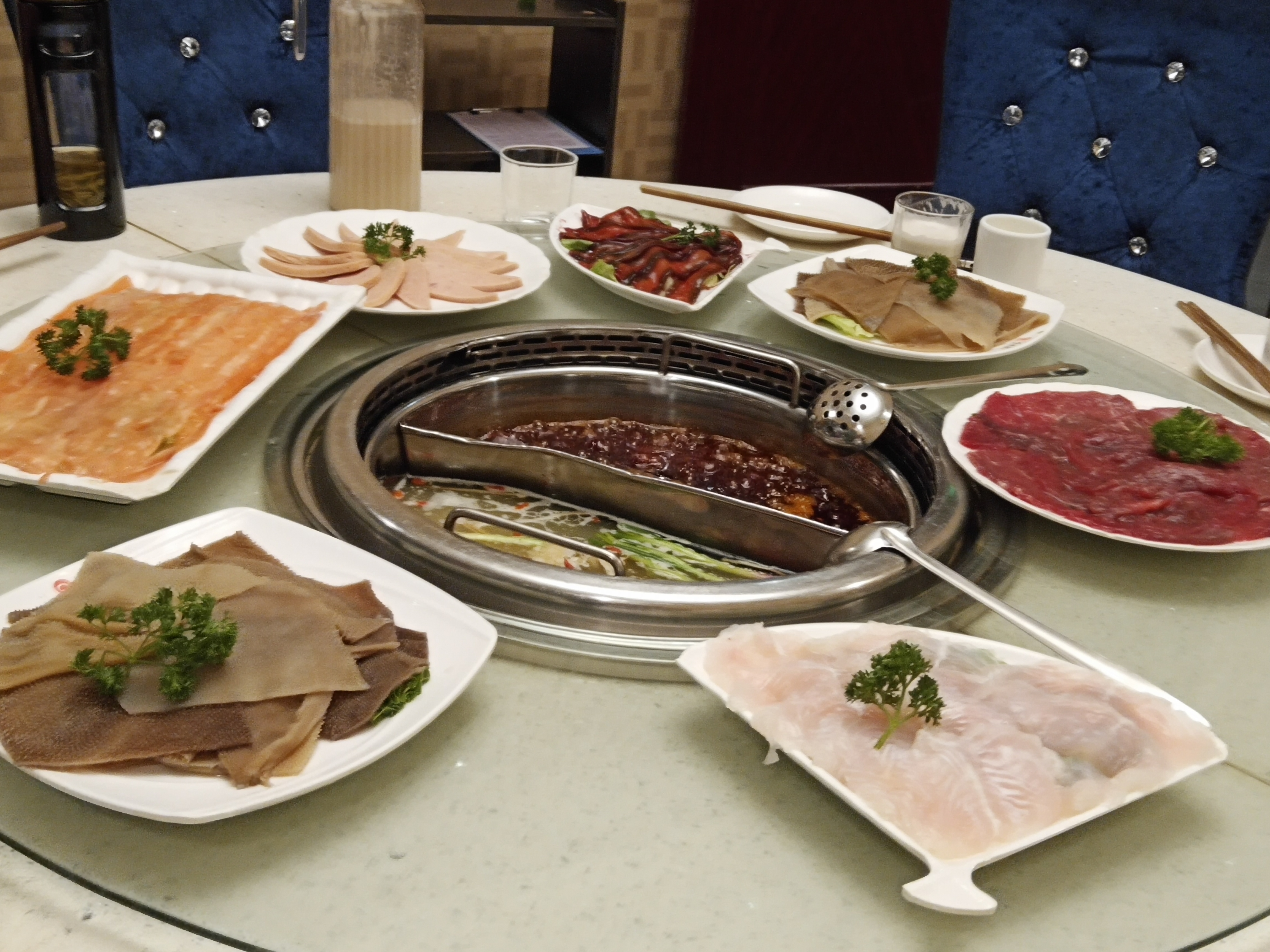
That definition also includes meals out. A relaxed lunch in a café or a Sunday meal at a local restaurant is as much a family meal as one at home, provided you are actually eating and talking together.
What the research links family meals with
The same AAP page summarises several benefits linked to shared meals: children are exposed to nutritious foods and more likely to choose similar foods elsewhere; family meals are associated with school success; families who eat together tend to eat more balanced meals; and mealtimes create space for conversation that is linked with lower risks of depression, eating disorders and substance use. It also notes that even three family meals a week can make a real difference.
Much of this evidence comes from long-running surveys such as Project EAT at the University of Minnesota. In a study reported by the university’s School of Public Health, young adults who kept up regular family meals from adolescence into parenthood showed less fast food intake, fewer depressive symptoms and higher self-esteem, among other outcomes. The study also found that people who had not eaten regular family meals as teenagers could still benefit by starting them as parents.
What the research does not say
It is worth being careful here. Most studies of family meals are observational: they show that families who eat together more often tend to have better outcomes, not that the meal itself causes them. Families who manage regular meals may also have more stable routines, more time or more support, and those factors matter too. The Minnesota study, for example, found no significant link between continued family meals and parents’ fruit and vegetable intake or weight status.
The sensible conclusion is not that a nightly dinner will fix everything, but that shared meals are a low-cost, enjoyable habit with plausible benefits and very little downside.
Making family meals realistic
The best family meal routine is the one you can keep. A few practical ideas:
| Barrier | Practical fix |
|---|---|
| Different schedules | Pick two or three fixed meals a week, including breakfasts |
| No time to cook | Simple food counts: soup and toast, leftovers, a picnic tea |
| Screens at the table | Agree a phone-free basket or a different room for devices |
| Children who will not sit | Shorter meals, small portions, let them help serve |
| Tension at the table | Keep conversation light and save difficult talks for later |
Letting children help, whether folding napkins, carrying bowls or serving themselves from shared dishes, gives them a role. If you enjoy the sociable feel of sharing, our comparison of family style dining and individual plates explains how the same idea works in restaurants.
Conversation is the other half of the meal. The AAP suggests keeping talk light and fun rather than turning dinner into a quiz, asking open-ended questions and letting children do most of the talking. Sharing family food history works well too: what you ate as a child, a grandparent’s recipe, a dish from a holiday. If a disagreement flares up, it is fine to pause it and come back to it later, as long as you do. And keep gathering when someone is away; a smaller table still counts.
Taking family meals out of the house
Eating out together can be a treat and a way to keep the habit going when life is busy. It works best when the restaurant suits the family rather than the other way round. Our checklist for choosing a family-friendly restaurant covers space, menus and staff attitude, and our plan for eating out with a toddler helps with the youngest diners.
Frequently asked questions
How many family meals a week are worth aiming for?
The AAP’s guidance notes that even three family meals a week can make a real difference. Start with what is achievable and build from there.
Does breakfast count?
Yes. Any meal eaten together counts, and for many families breakfast or a weekend brunch is easier to organise than dinner.
What if one parent is often missing?
Eat together anyway. Smaller groups still count, and children can help save a plate for whoever is away. Consistency matters more than a full table.
A small habit worth keeping
Choose one meal this week that everyone can make, put the phones away and keep the food simple. Talk about the day, ask open questions and let the children do most of the talking. Next week, try to make it two. You will find more ideas for everyday family life in our Lifestyle section.