The most reliable way to keep kids busy at restaurants is to stop the boredom before it starts. Choose a time when they are fed enough not to be ravenous but not too tired, sit somewhere with something to look at, give them small jobs such as choosing a side or handing out napkins, and bring a few quiet, unfamiliar activities that come out one at a time. Add short walks when restlessness builds and specific praise when they manage well. Most of all, keep the meal shorter than their patience.
Run through this checklist before your next meal out.
Key takeaways
- Time the meal around naps and hunger, and order quickly.
- Choose seats with a view: a window, the open kitchen or a corner.
- Give children real jobs, from choosing a side to passing the bread.
- Bring a small activity bag and release items one at a time.
- Praise specific behaviour, and leave on a good note rather than pushing your luck.
Before you go
- Pick a time when your child is rested. Avoid the hour before a nap or bedtime.
- Make sure they are not starving on arrival; a light snack an hour before can help.
- Talk briefly about what will happen: we will sit, choose food, eat and go home.
- Look at the menu online so you can order the moment you sit down.
- Choose a restaurant that welcomes children. Our checklist for choosing a family-friendly restaurant covers space, facilities and staff attitude.
Choosing where to sit
- Ask for a booth or a table by a wall, which contains wanderers.
- A window seat, a view of the open kitchen or a fish tank gives children something to watch.
- Seat your child between two adults, not on the end beside the walkway.
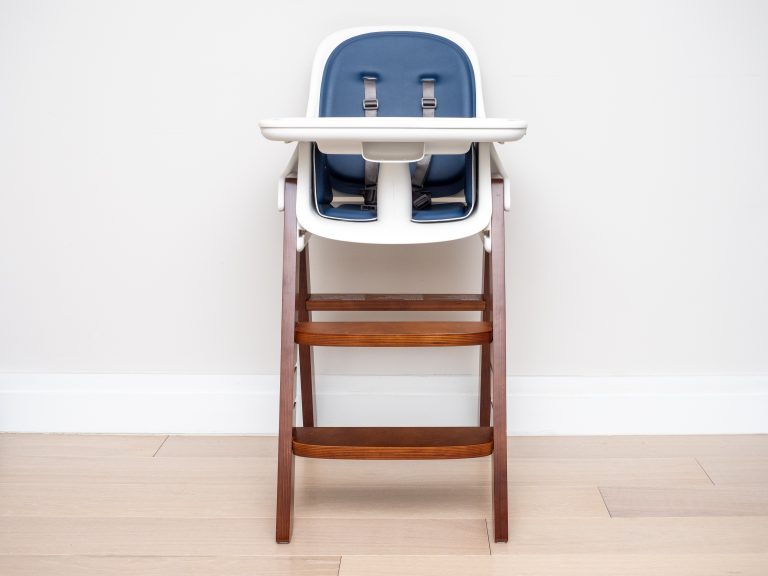
- Put the high chair or booster where staff will not be passing with hot plates.
Ways to keep kids busy at restaurants without a screen
Waiting is the hardest part. A small kit and a few ideas go a long way.
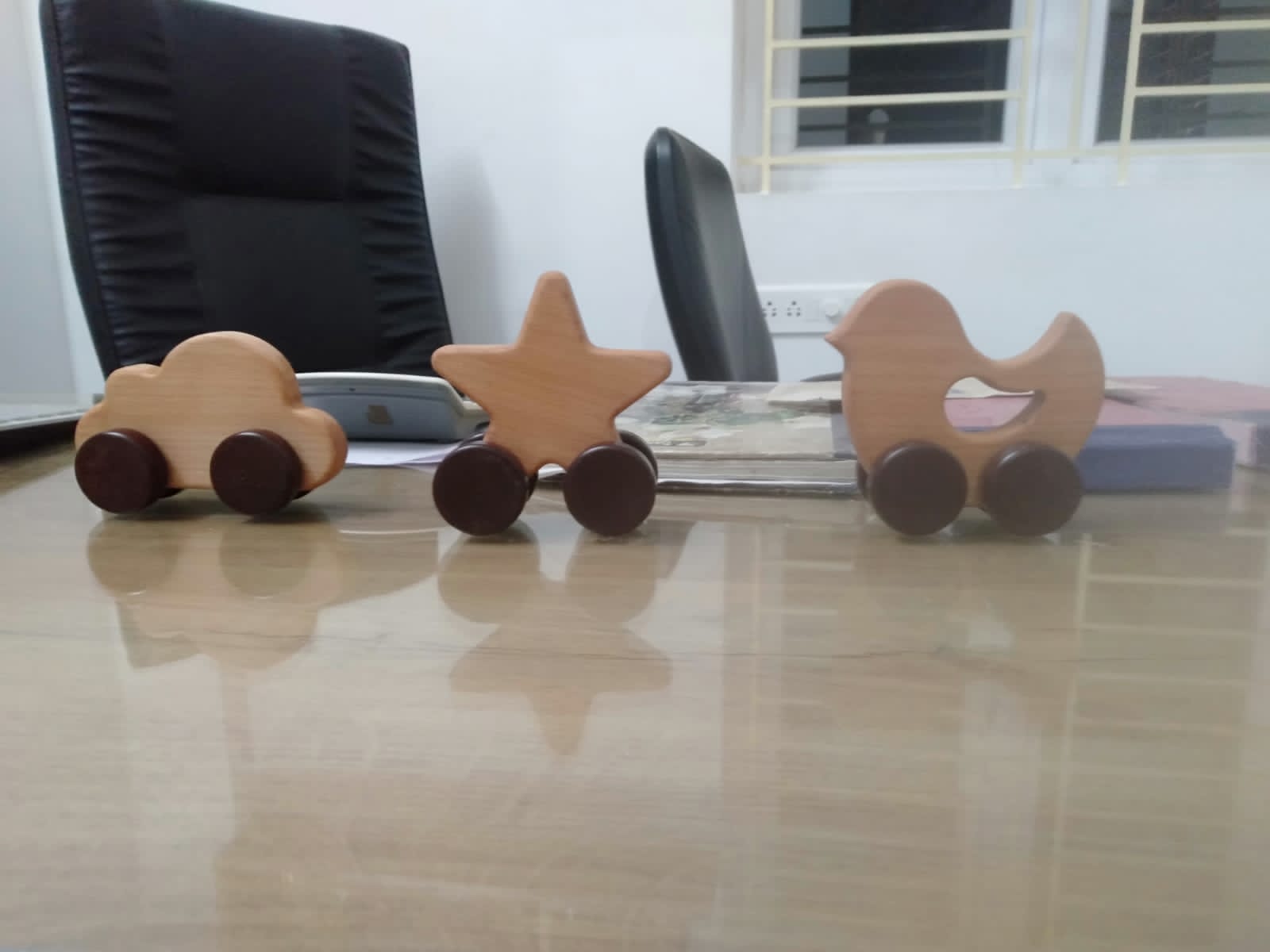
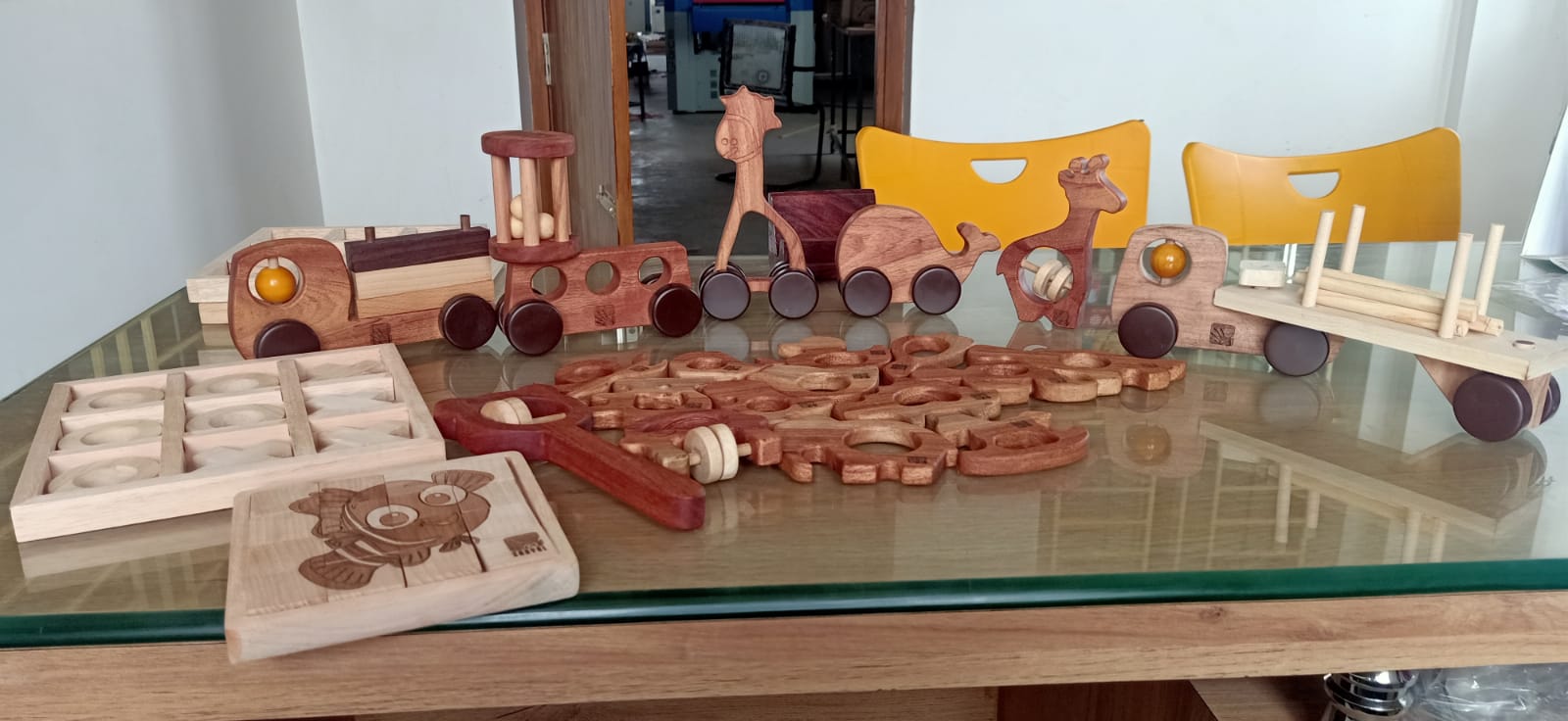
- Pack a small activity bag with a few things they have not seen for a while: a board book, a sticker sheet, a small toy, a notebook and crayons.
- Bring items out one at a time, keeping the rest in reserve. The American Academy of Pediatrics’ family site suggests bringing a few quiet toys or books, ideally ones your child has not seen before.
- Use what is around you: count the lights or chairs, sort the plastic cutlery you brought by size, turn a folded napkin into a road for a small toy car.
- Play quiet games. Our list of table games for kids has word, guessing and pencil-and-paper ideas for every age.
- Look around: spot three red things, guess what the next table ordered, count the people in hats.
Give them a job
Children who feel involved behave better than children who feel parked. Simple jobs work well:
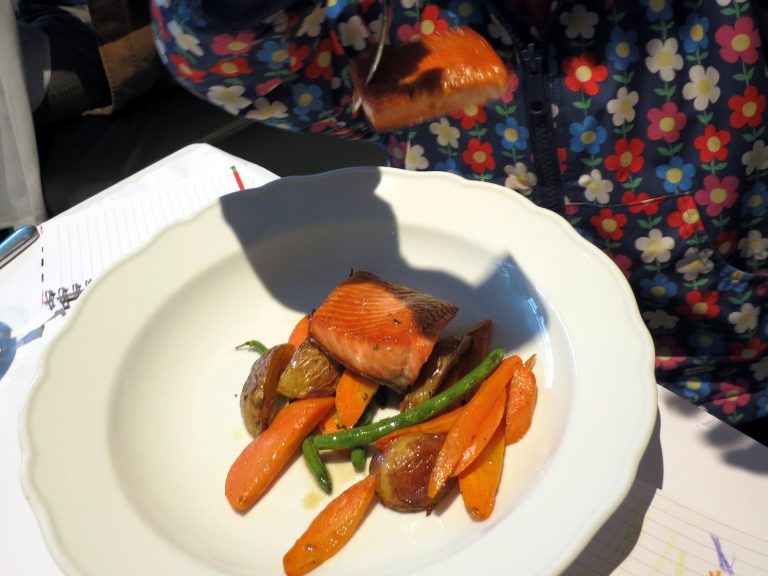
- Choosing between two sides: “Would you like peas or carrots?”
- Telling the server their own order, with your help.
- Handing out napkins or cutlery.
- Being in charge of the bread basket.
- Checking whether everyone at the table has a drink.
Victoria’s Better Health Channel recommends offering toddlers simple choices and involving them in food, and notes that children learn social skills by watching the family eat together.
Movement and timing
- Plan short movement breaks. One adult takes the child outside or round the room for a few minutes while the other eats.
- Ask for children’s food to come out first or with the starters.
- Skip extra courses if the mood is fading. Pudding can be a treat at home.
- Ask for the bill with the main course if you think you may need to leave quickly.
| Problem | Quick fix |
|---|---|
| Long wait for food | Order at once, ask for bread or a side straight away |
| Wriggling | A short walk outside with one adult |
| Bored with toys | Switch to a job or a game |
| Too tired | Box the food and go |
Praise and expectations
- Praise specific behaviour: “You sat so nicely while we waited” is better than “good boy”.
- Keep expectations realistic for the age. The Better Health Channel notes that sitting down for any length of time is an effort for a young child.
- Avoid using dessert as a bribe for good behaviour.
- Be consistent between adults so children get the same message.
If you are still at the toddler stage, our step-by-step plan for eating out with a toddler covers safety and ordering in more detail.
Frequently asked questions
Is it fine to use a phone or tablet?
There is no need for guilt if it helps on a difficult day, but try to keep it as a backup rather than the plan. Screens can stop the conversation that makes eating together worthwhile.
What if my child will not stay in their seat?
Give a short, calm reminder and a reason to stay, such as a job or a new activity. If they still cannot settle, take them for a short walk and try again.
How long should a restaurant meal with young children last?
As long as everyone is enjoying it. For many young children that is not very long, so plan for a short meal and treat anything longer as a bonus.
Your quick checklist for next time
Rested and not starving, a seat with a view, a small bag of new things, a job to do, a walk if needed and praise when it goes well. Pack it all, and the meal will feel much calmer. For more ideas, explore our Kids & Family guides.