Eating out with a baby works best when you plan around the baby’s rhythm rather than the restaurant’s. Choose a time just after a nap and a feed, book a table with space for a pram or high chair, and pack a small bag so you are not hunting for things mid-meal. In the UK you are legally free to breastfeed in a café or restaurant, and simple first foods can come straight from the menu if you ask. Here is a walkthrough of a typical lunch out, step by step.
Key takeaways
- Book around naps and feeds, and choose an early slot.
- Ask for a table with room for a pram, away from the kitchen door.
- You can breastfeed in any business that serves the public.
- For babies, skip added salt, honey and whole nuts.
Eating out with a baby: the scenario
Say your baby is around seven months old, has started on solid foods, and naps late morning. You and a partner or friend want to have lunch somewhere relaxed on a weekday. The example is invented, but it covers the questions most new parents face.
Step 1: pick the time and place
Aim for the slot just after the baby wakes and has fed. A content, rested baby gives you the best chance of finishing a meal. Midweek lunchtimes and early weekend lunches are usually calmer than busy evenings.
When you phone to book, ask:
- Is there room for a pram beside the table, or somewhere to leave it?
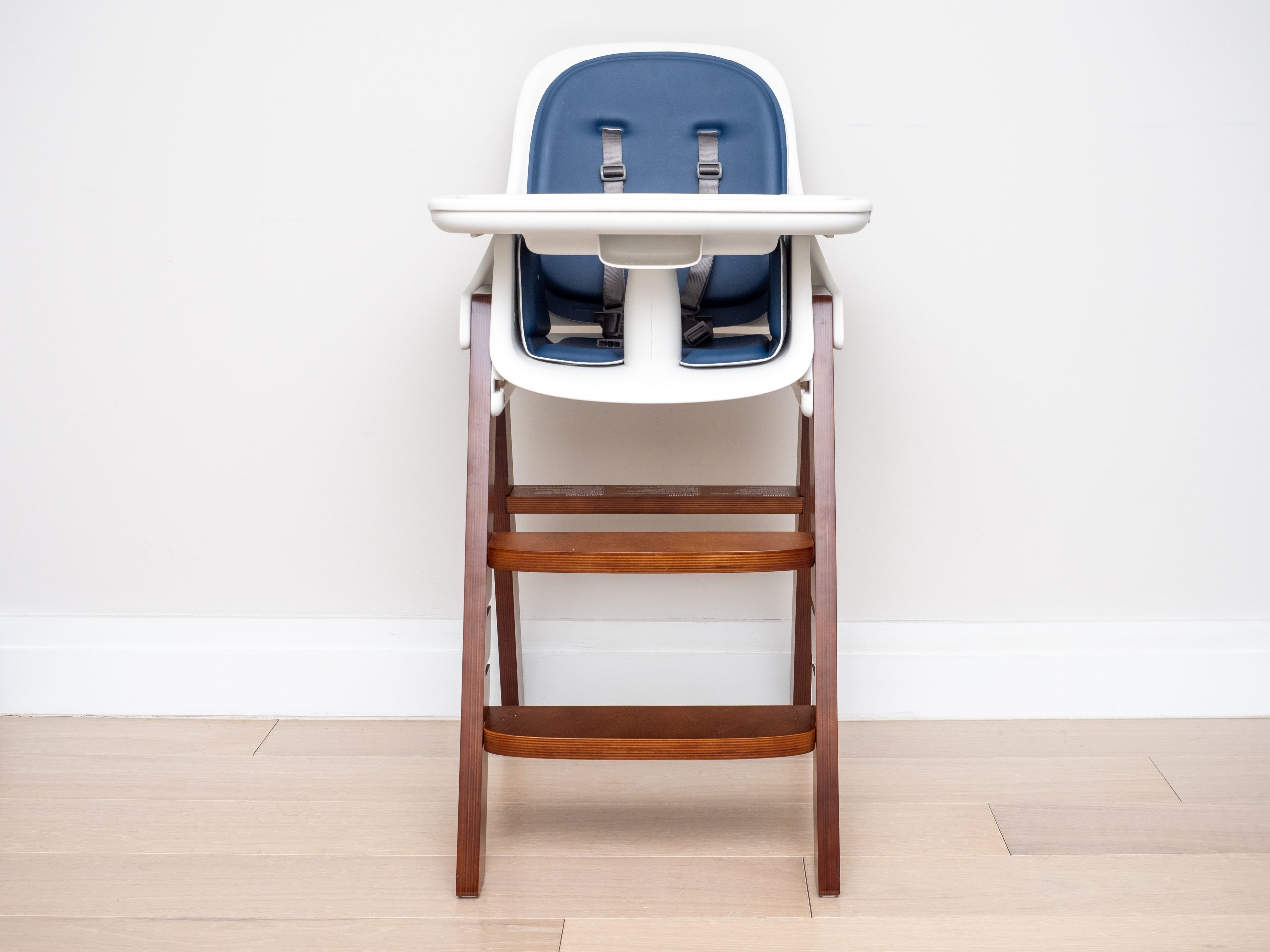
- Are there high chairs suitable for a baby, and are they clean and stable?
- Is there a baby-changing area, and where is it?
- Is the entrance step-free?
Our family-friendly restaurant checklist covers what to look for when you arrive, from aisle space to how staff react to small children.
Step 2: pack a small, smart bag
You do not need everything you own, just what keeps the next two hours easy:
- Nappies, wipes, a changing mat and a spare outfit.
- Bibs, a small spoon and a soft cloth.
- Any food you are bringing, in sealed pots.
- A muslin or light scarf if you like extra cover when feeding.
- One or two quiet toys that can be wiped clean.
Step 3: feeding during the meal
If you are breastfeeding, you do not need to look for a separate room. NHS guidance on breastfeeding in public explains that you can breastfeed in any business that provides a service to the public, such as a café or shop, and that if you are asked to leave you can challenge the request with help from the Equality Advisory and Support Service. The official explanatory notes to the Equality Act 2010 give a direct example: a café owner must not ask a woman to leave because she is breastfeeding her baby. The NHS also suggests taking your baby out of a sling or carrier before feeding.
If you are bottle-feeding, ask for warm water in a jug if you need to warm a bottle. Bring formula ready-measured so you are not working it out at the table.
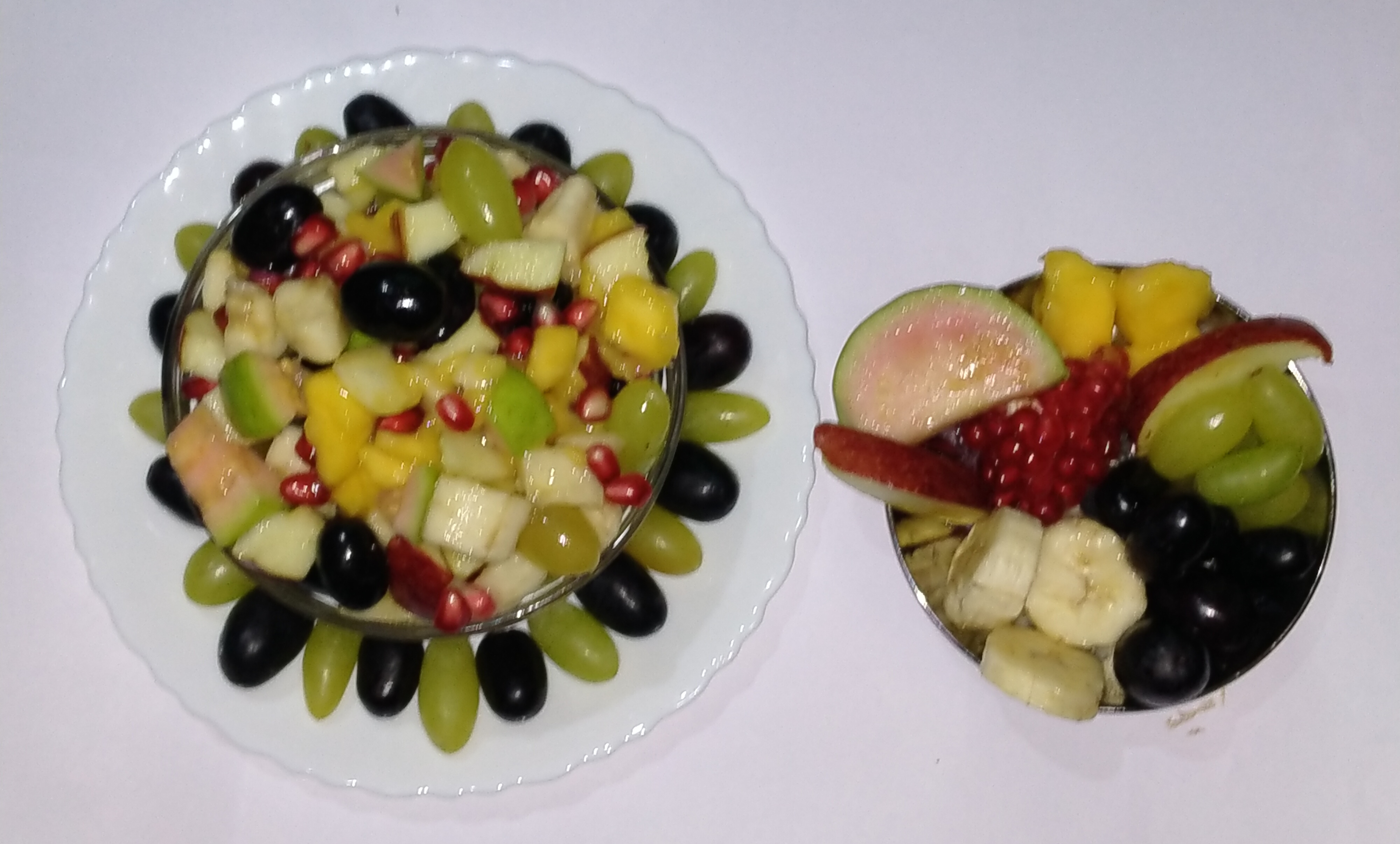
Step 4: choosing food for the baby from the menu
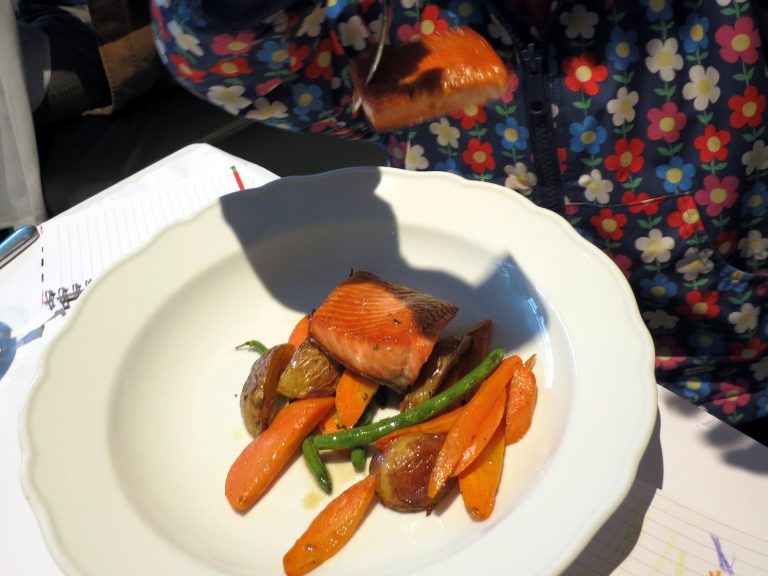
Once your baby is eating solids, simple menu items can be shared: plain vegetables, soft fruit, rice or pasta without sauce. The main things to watch are salt and a few specific foods.
The NHS advice on foods to avoid giving babies and young children is clear on several points that come up when eating out:
| Food | NHS guidance for babies | What to ask the kitchen |
|---|---|---|
| Salt | Do not add salt to a baby’s food; ready meals and takeaways are often salty | A small portion before seasoning, or plain steamed vegetables |
| Honey | Not until over 1 year old | Check desserts and dressings |
| Whole nuts | Not for children under 5 because of choking | Whether a dish contains whole nuts |
| Raw or lightly cooked shellfish | Best avoided for babies | Choose another dish |
| Unpasteurised cheese | Better avoided because of listeria | Whether the cheese is pasteurised |
Staff are usually happy to bring a side of plain vegetables or a small bowl of fruit. Ask early, so it can come with the first course.
Step 5: keeping the meal on track and leaving well
Order your own food promptly and ask for everything to come together, so you are not waiting between courses with a baby who has run out of patience. Keep a toy in reserve for when the first one loses its appeal. If the baby becomes unsettled, a short walk outside often resets things; there is no shame in eating in two halves.
If you are dining with grandparents or a larger family group, our multigenerational dining walkthrough explains how to seat everyone so the parent with the baby has an easy way out.
Ask for the bill with the main course if you think you may need to leave quickly. Tidy the worst of the floor around the high chair, wipe the tray, and thank the staff. Staff will appreciate it.
Frequently asked questions
When can I start eating out with a baby?
Whenever you feel ready. Many parents find the early weeks, when babies sleep a lot, are surprisingly easy for a quiet lunch. Older babies who are awake more need a little more planning.
Should I bring my own baby food?
It is sensible, especially before your baby is eating a wide range of foods. Many restaurants are happy for you to bring a pot of baby food; ask if you would like it warmed.
What if my baby cries throughout the meal?
It happens to everyone. Step outside for a few minutes, try a feed or a change, and come back when things settle. Most diners are more understanding than you fear.
Planning your first meal out
Choose a time after a nap and a feed, make one phone call with your questions, and pack the bag the night before. Start with a short lunch somewhere relaxed, then build up. When your baby becomes a toddler, our guide to eating out with a toddler picks up where this one ends. Find more ideas in our kids and family section.