A pantomime is a British family Christmas show based on a fairy tale or folk story, with songs, slapstick, a man playing the comic “dame” and plenty of audience shouting. Most children enjoy a first panto from about three or four, and a matinee followed by an early tea out is the easiest way to plan the day. Book early for December weekends, choose seats near an aisle with small children, and learn the call-and-response lines before you go.
Key takeaways
- Panto is loud, silly and interactive: children are encouraged to shout and boo.
- Most shows run around two to two and a half hours, including an interval.
- Matinees suit young children; book December weekends well ahead.
- Pick aisle seats with toddlers, and think about whether front rows (and water pistols) suit your family.
- Plan food around the show: lunch before a matinee or an early tea after.
What is a pantomime?
A pantomime, or panto, is a comic musical play staged mainly around Christmas and New Year. The story usually comes from a fairy tale such as Cinderella, Aladdin, Jack and the Beanstalk, Snow White or Dick Whittington. There is a hero, a villain the audience boos, a fairy or helper, a comic sidekick and the dame, a larger-than-life woman traditionally played by a man.
The form has a long history. According to the V&A’s story of pantomime, it grew out of 16th-century Italian commedia dell’arte, and it became customary in the Victorian era for pantomimes to open on Boxing Day, which tied the form to Christmas and family audiences. The V&A also notes that the word “slapstick” comes from the wooden bat Harlequin used in 18th-century pantomimes.
What happens at a panto?
- Booing and hissing: whenever the villain appears.
- “He’s behind you!”: when a character cannot see the ghost or villain creeping up behind them.
- “Oh no it isn’t!” / “Oh yes it is!”: a back-and-forth argument between the cast and the audience.
- A song sheet: near the end, the audience is split into halves to see who can sing a silly song loudest.
- Sweets and splashes: some shows throw sweets or squirt water into the front rows.
- Jokes for the adults: double meanings that go over children’s heads.
What is the best age for a first pantomime?
There is no fixed rule, but many families find three or four is a good age for a first panto, when children can sit through a short half and enjoy joining in. Loud bangs, flashing lights and a scary villain can upset some toddlers, so sit near an aisle and be ready to step out. Some theatres run relaxed performances, with lower sound, softer lighting and a more forgiving atmosphere, which suit very young children and those with sensory needs.
| Age | What tends to work |
|---|---|
| Under 3 | A relaxed or shorter performance, aisle seats, a snack for the interval |
| 3 to 5 | A matinee, a familiar story, booster cushion, a quick explanation of the villain beforehand |
| 6 to 11 | Any performance; they will know the shouting lines and love the song sheet |
| Teenagers | A big-name or more grown-up production; evening shows feel more like a night out |
How to choose a show and seats
- Book early: weekend and late-December performances sell first. Pantomime searches peak in November and December, which is also when the best seats go.
- Matinee or evening: matinees end in time for tea and bedtime; evenings are livelier.
- Seats: stalls near the front are the most interactive; circle seats give a better view of the scenery. Aisle seats make toilet trips easier.
- Length: check the running time. Most pantos run around two to two and a half hours including the interval.
- Access: ask the box office about step-free access, booster seats, buggy storage and relaxed performances.
VisitBritain lists pantomimes alongside carol concerts and light trails among Britain’s winter experiences, and almost every large town has its own production, so you rarely need to travel far.
Where to eat before or after the pantomime
A panto day out works best with food planned around the show:
- Before a matinee: an early lunch near the theatre, ordered quickly so you are not rushing. Kids’ menus and sharing plates speed things up.
- At the interval: queues are long, so bring a small snack and a drink if the theatre allows it, or pre-order interval drinks.
- After a matinee: an early tea at around 5pm, before restaurants fill up. Book a table for a December weekend.
- After an evening show: many children will be too tired for a meal, so eat before and keep it simple.
Our checklist for choosing a family-friendly restaurant covers what to look for, and our guide to planning a family day out around food has tips for longer trips. With very young children, see our plan for eating out with a toddler.
Frequently asked questions
How long is a pantomime?
Most run around two to two and a half hours, including an interval of about 20 minutes. Check the theatre’s listing for the exact time.
What do you shout at a pantomime?
Boo the villain, shout “He’s behind you!” when something creeps up, and join in with “Oh no it isn’t!” and “Oh yes it is!” when the cast start an argument with the audience.
Is pantomime suitable for toddlers?
Many toddlers enjoy it, but loud noises and dark scenes can be too much for some. A relaxed performance and aisle seats make it easier to take a break.
Why is the dame played by a man?
It is a long-standing comic tradition. The V&A notes that male performers played women’s roles on the English stage before 1660 and that pantomime kept the convention, with the dame’s obvious masculinity part of the joke.
When is pantomime season?
Most pantomimes run from late November or early December into January, with the busiest performances in the school Christmas holidays.
Enjoying your family panto
Pick a matinee, book aisle seats early, teach the children the shouting lines and plan lunch or tea around the show. A first pantomime can become a family Christmas tradition. For more ideas, see our kids and family guides.
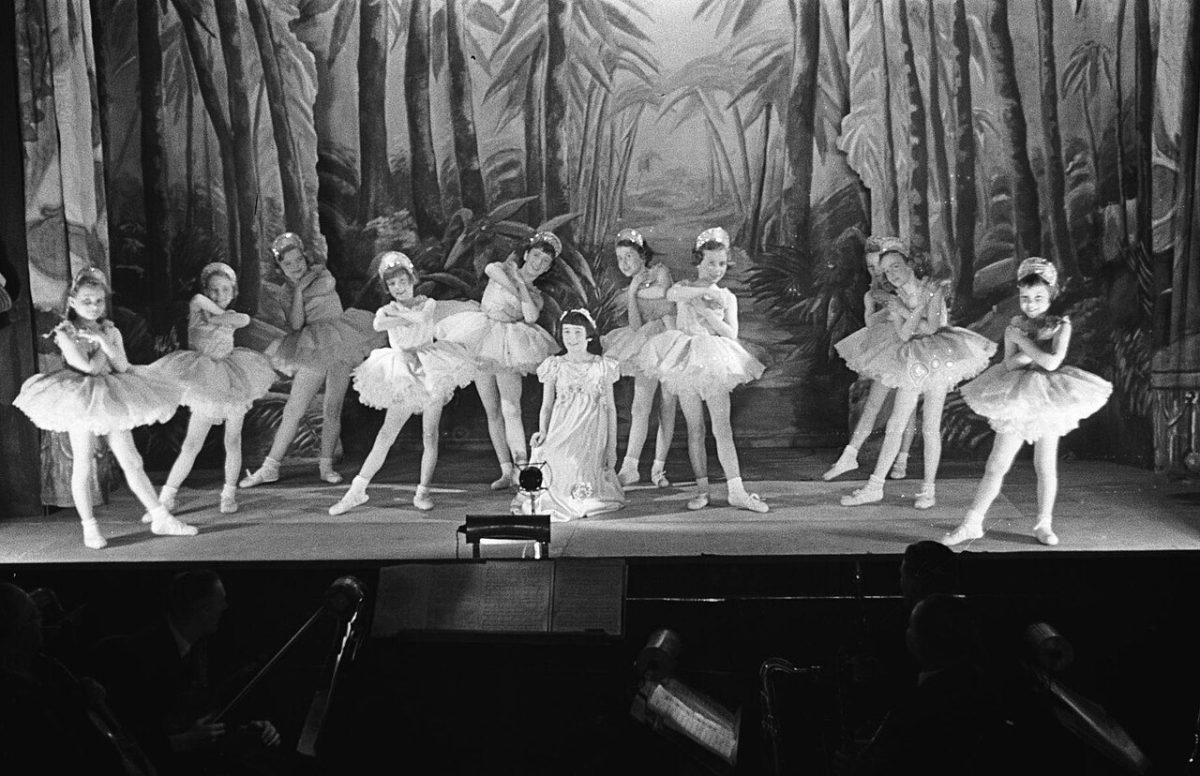
Featured photo: Walter Roberts’ Pantomime, ‘Robinson Crusoe’, performed in Wrexham by Geoff Charles, CC BY-SA 4.0.