The secret to a good family day out is planning the food as carefully as the activity. Decide in advance when and where everyone will eat, mix a packed picnic with one café or restaurant stop, carry more water and snacks than you think you need, and keep chilled food cold. Build the day around natural refuelling points so nobody hits a hunger wall in the car park. With that in place, the rest of the day has room to be spontaneous.
To show how it works in practice, here is a walkthrough of one example day.
Key takeaways
- Plan meal and snack times before you plan the route.
- Combine a packed lunch with one sit-down stop for a treat and a rest.
- Keep chilled food cold and eat it within a few hours.
- Pack water, sun protection and hats on warm days.
- Choose the café or restaurant in advance, with a back-up option nearby.
The scenario: a summer Saturday with two children
Say you are planning a Saturday at a country park about an hour’s drive away, with two children aged four and eight. You want to walk, use the playground, and stop somewhere for a proper meal before driving home. One child is a fussy eater, the other is always hungry, and the weather forecast is warm and sunny.
The plan starts with food, not the map. You sketch the day like this:
| Time | Activity | Food |
|---|---|---|
| Morning | Breakfast at home, then drive | Filling breakfast; snacks in the car |
| Late morning | Walk and playground | Water and fruit |
| Midday | Picnic | Packed lunch from a cool bag |
| Afternoon | More exploring | Small snack, water |
| Early evening | Café or restaurant stop | Hot meal before the drive home |
Step 1: Breakfast and the car snack bag
A proper breakfast before you leave buys time. Then pack a small snack bag for the car and the first walk: fruit, crackers, a few familiar favourites and refillable water bottles. Keep it within reach rather than in the boot.
For the fussy eater, include one food you know they will eat. A day out is not the time to fight about new vegetables.
Step 2: Packing the picnic safely
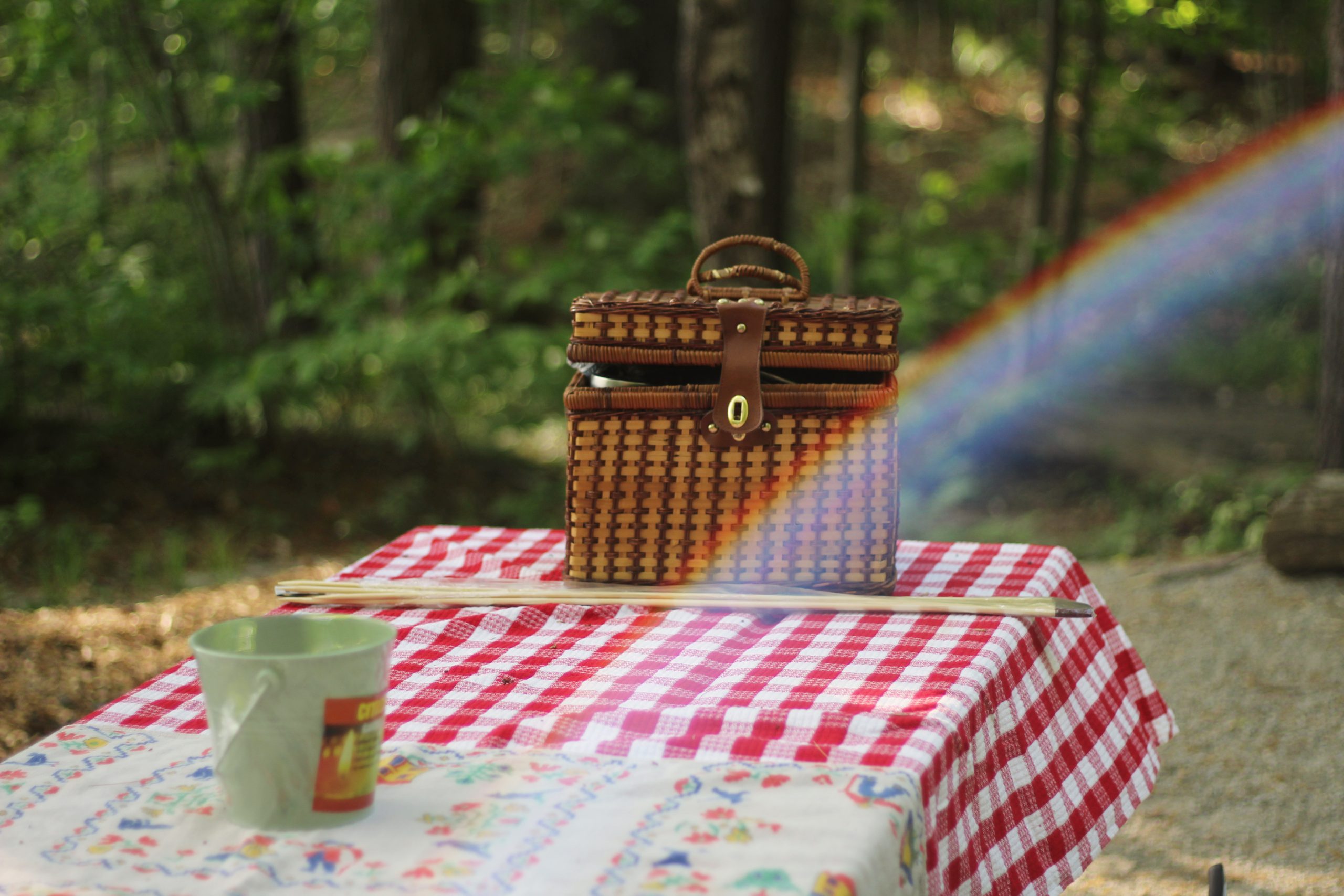
The picnic is where planning really matters. You make sandwiches, chop some vegetables, pack cheese, yoghurts and cooked chicken, and add a few treats.
Chilled foods need care on a warm day. Government food safety guidance advises keeping chilled food out of the fridge for the shortest time possible, to a maximum of four hours. So in this scenario you pack everything straight from the fridge into a cool bag with ice packs, keep the bag in the shade, and plan to eat by midday. Anything that has sat out in the sun afterwards goes in the bin rather than home again.
Pack a few practical extras too: wipes, a bin bag, a blanket and something to sit on if the ground is damp.
Step 3: Making the most of the middle of the day
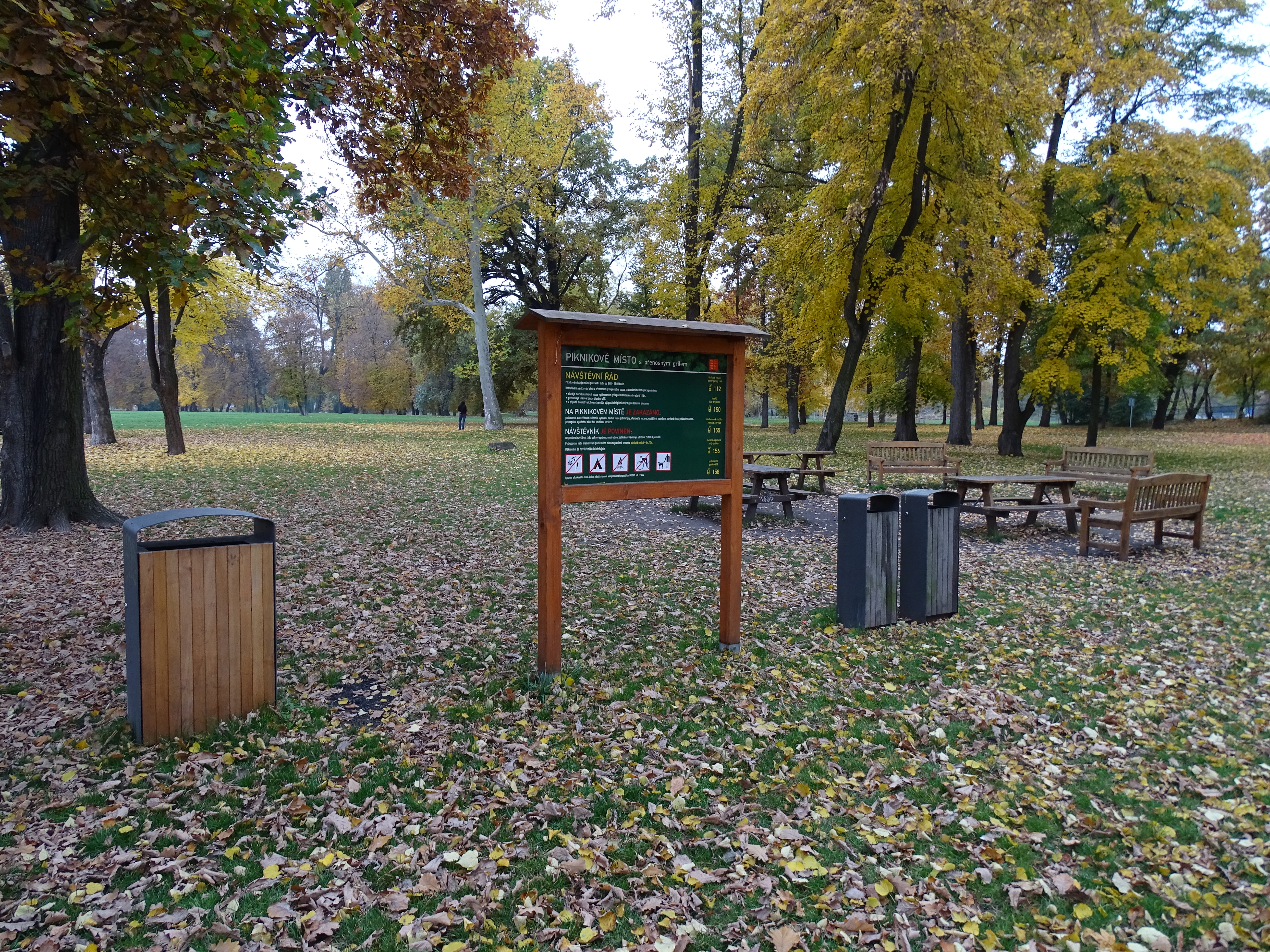
At the park, you head for the playground first while energy is high, then walk to a picnic area with tables and shade. Lunch happens on time, before anyone is too hungry to be pleasant.
Sun is the other big consideration on a summer day out. The NHS advises that children should spend time in the shade, particularly from 11am to 3pm, wear a wide-brimmed hat and use at least SPF30 sunscreen, reapplied regularly. A picnic spot under trees during those hours ticks two boxes at once.
Step 4: The sit-down meal
By late afternoon everyone is tired, and the drive home is ahead. This is where the café or restaurant stop earns its place. In the planning stage, you looked up a couple of family-friendly options near the park, checked opening times, and booked the one with outdoor seating and a children’s menu. You also noted a back-up, in case the first is full.
You arrive early, before the evening rush, and order quickly. While you wait, the children play a couple of quiet games; our checklist on how to keep kids busy at restaurants has plenty of ideas. If the restaurant is new to you, our checklist for choosing a family-friendly restaurant covers what to look for in advance.
A hot meal before the drive means the children are fed, calm and more likely to sleep in the car.
Step 5: The drive home and the next family day out
On the way home, you keep a final snack and some water within reach. At home, you unpack the cool bag, throw away anything left over from the picnic and make a quick note of what worked: the playground before lunch, the shady picnic table, the restaurant with the garden.
Next time, you repeat what worked and change what did not. Over a summer, these days out become a reliable family habit, and the shared meals, whether on a blanket or at a restaurant table, are part of what makes them memorable. Our piece on why family meals matter explains why that time together counts.
Frequently asked questions
Is it better to picnic or eat out on a day out?
A mix often works best. A picnic is flexible and lets you control the food; a sit-down meal gives everyone a rest and a treat. Many families picnic at lunch and eat out before going home, or the reverse.
How do I keep picnic food cold?
Pack chilled food straight from the fridge into a cool bag with ice packs, keep it in the shade and eat it within a few hours. Throw away perishable leftovers rather than bringing them home.
What if the weather turns?
Have an indoor back-up: a café, a museum with a cafeteria or a covered picnic spot. Checking the forecast the night before helps you decide which version of the day to plan.
Start with the food plan
Before your next family day out, write down three things: when everyone will eat, what you will pack, and where you will stop for a proper meal. The route and the activities can fit around them. For more everyday family ideas, browse our Lifestyle section.