The easiest way to start cooking with kids is to pick one simple dish, give your child two or three jobs that suit their age, and agree a few safety rules before anyone touches food. You do not need a special recipe or a big afternoon. Ten minutes of washing, stirring and tasting at the right moment builds more confidence than a long session where an adult does most of the work. Here is a step-by-step way to begin.
Key takeaways
- Match jobs to your child’s age and motor skills, and supervise closely.
- Handwashing, tied-back hair and “no tasting raw dough” are the first rules.
- Start with one dish you already make often.
- Let children do real tasks, even if the result is a little untidy.
Step 1: choose jobs that suit their age
Children can help from a surprisingly young age, but the right job changes quickly. The Academy of Nutrition and Dietetics publishes a helpful age-by-age list in its guide to teaching kids to cook. A summary of its suggestions:
| Age | Jobs the guide suggests | Supervision |
|---|---|---|
| 2 to 3 | Washing fruit and vegetables, wiping tables, snapping green beans | Very close |
| 3 to 5 | Mixing batters, brushing oil on bread or vegetables, mashing potatoes, cracking eggs (then washing hands) | Close |
| 5 to 7 | Scooping avocado an adult has halved, shucking corn, snipping herbs with blunt kitchen scissors | Close, with food-safety reminders |
| 7 to 9 | Beating eggs, using a peeler, opening cans, checking meat with a food thermometer | Nearby |
| 9 to 12 | Following a recipe, boiling pasta, baking, simmering, slicing and chopping | Adult still present |
The guide stresses that children develop at different rates. Use the list as a starting point, then watch what your own child can manage safely.
Step 2: set safety rules for cooking with kids
Agree the rules first, so they are part of the activity rather than a telling-off halfway through. The same guide suggests washing hands before and after handling food, pulling long hair back, and teaching children to wait until food is cooked before tasting it.
Handwashing is worth doing properly. The CDC’s handwashing steps are wet, lather, scrub for at least 20 seconds, rinse and dry, and it lists before, during and after preparing food as key times to wash. Singing a short song twice is an easy timer for children.
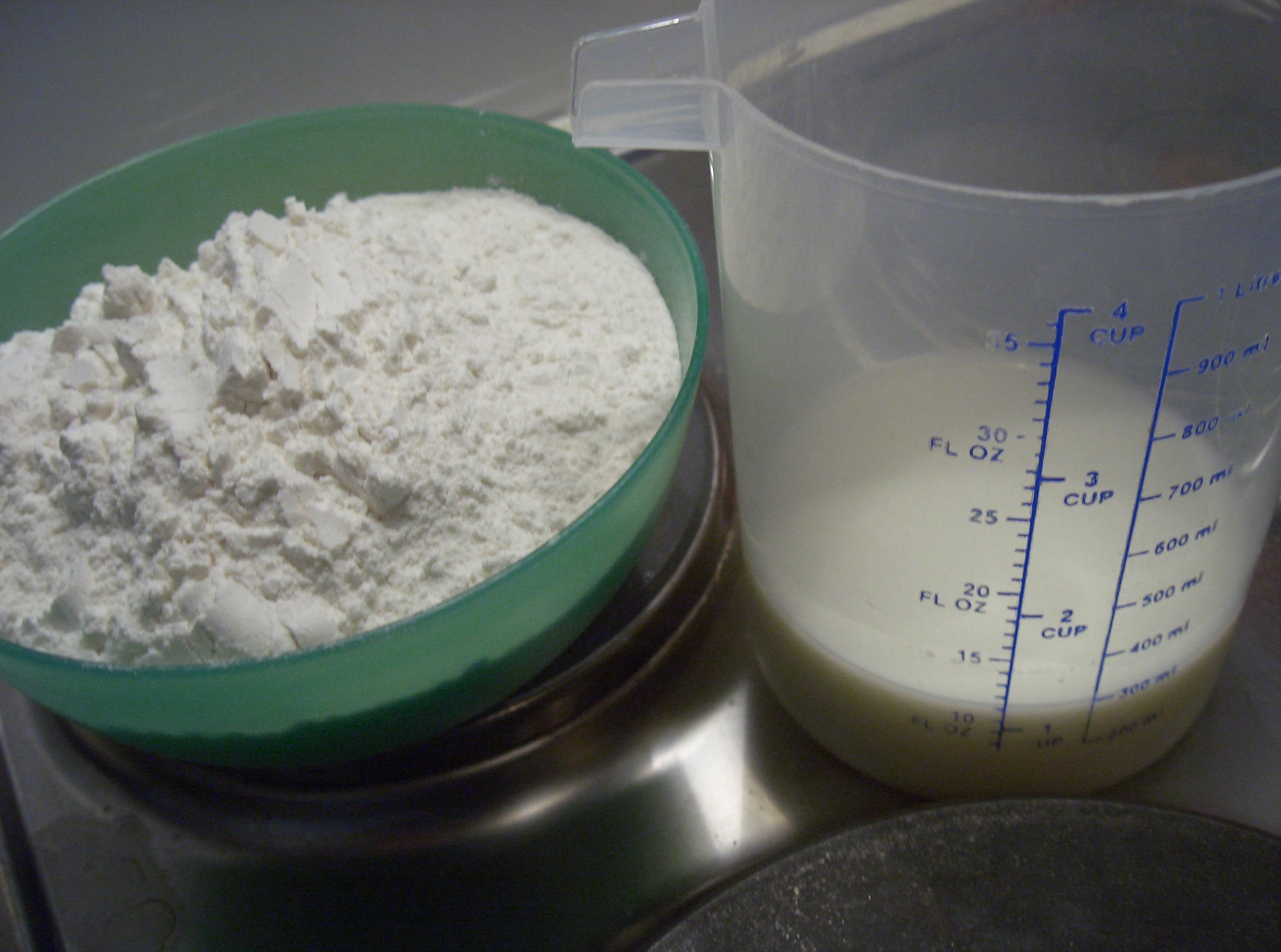
Raw flour surprises many parents. The CDC’s food safety guidance lists raw dough or batter made with uncooked flour among riskier foods and advises washing hands after handling uncooked flour, as well as raw meat, poultry, seafood and eggs. So the rule is simple: no licking the spoon until it has been cooked.
A short list to stick on the fridge:
- Wash hands before you start and after touching raw food.
- Hair back, sleeves up.
- Knives and the hob are for grown-ups unless a grown-up says otherwise.
- No tasting raw dough or batter.
- Wipe up spills straight away.
Step 3: pick a first recipe you already know
Choose something you cook often, so you are not reading a new recipe while supervising. Good first dishes have several small, separate jobs: a salad, a tray of roast vegetables, pancakes, a simple pasta sauce or a fruit bowl. Each one gives a child something to wash, tear, mix or arrange.
Set out everything before you call the children in. Measure ingredients into small bowls, put the knives and anything hot out of reach, and clear a low, stable surface at the right height.
Step 4: let them do the real work
Resist the urge to fix things. A lopsided pancake or unevenly torn lettuce is part of learning. Talk about what you are doing as you go: what happens when you stir, why vegetables are washed, how you can tell something is cooked. Children who have helped make a dish are often more willing to try it, which links neatly with what we covered on kids’ menus and nutrition.
Step 5: finish together at the table
Let your young cook carry something safe to the table and tell everyone what they made. That moment is part of the point. Sitting down together afterwards turns a cooking session into a family meal, and our piece on why family meals matter explains why that shared time is worth protecting. If you are working on table habits as well, teaching kids table manners fits naturally into the same meal.
Frequently asked questions
At what age can a child use a real knife?
The Academy of Nutrition and Dietetics lists slicing and chopping vegetables among tasks for children aged about 9 to 12, with adult supervision. Younger children can practise with blunt kitchen scissors or by tearing soft foods.
What if my child loses interest after five minutes?
That is normal. Give them a single job they can finish, then let them go. Short, successful sessions build interest more than long ones.
Can we cook with kids if one of them has a food allergy?
Yes, with care. Choose recipes free from the allergen, clean surfaces and equipment first, and teach the child with the allergy to check labels with you. Follow any advice from their doctor or allergy team.
Your first cooking session this week
Pick one familiar dish, choose two jobs from the age table, and set out the safety rules on a card. Keep the first session short and let your child carry the result to the table. For more about everyday family life around food, browse our lifestyle articles.