Fussy eaters do best at restaurants when there is no pressure, a familiar option on the table and a small chance to try something new. The NHS describes fussy eating as common and says it is perfectly normal for toddlers to refuse to eat or even taste new foods, and that intake is best judged over a week rather than one meal. So the aim of a meal out is not a clean plate; it is a pleasant meal where a child sees new foods, perhaps tastes one, and leaves happy. This checklist covers what to do before you go, at the table and afterwards.
Key takeaways
- Pick restaurants with at least one food your child already likes.
- Offer small portions and the chance to try, without pressure.
- Eat together and let your child see you enjoying different foods.
- Judge how your child eats over a week, not at a single meal.
Before you go: setting up fussy eaters for success
- Check the menu online. Look for one safe option, such as plain pasta, rice, bread or a simple grilled dish.
- Ask about simple swaps. Sauce on the side, plain vegetables or a smaller portion of an adult dish.
- Avoid going too hungry or too tired. The NHS advises not leaving meals until a child is very hungry or tired, so pick an earlier time.
- Talk about it beforehand. Tell your child what kind of food the restaurant serves and let them choose between two dishes.
- Bring a back-up snack. Useful if food is slow or the menu disappoints.
Our checklist for choosing a family-friendly restaurant has more on picking places that suit children.
At the table: the no-pressure checklist
The NHS guidance on fussy eaters suggests eating together so children can copy you, serving small portions, praising eating, and not forcing food. If food is refused, take it away calmly and try again another time, and give slow eaters time to finish.
- Order a “tasting plate”. Put a spoonful of something new next to a familiar favourite.
- Share from your plate. Offer a taste rather than ordering a whole new dish.
- Praise trying, not finishing. A single bite is a good result.
- Do not bargain with dessert. The NHS advises against using sweets as rewards.
- Keep the conversation off food. Talk about the day, not about what is left on the plate.
- Keep children busy while waiting. Our list of ways to keep kids busy at restaurants helps.
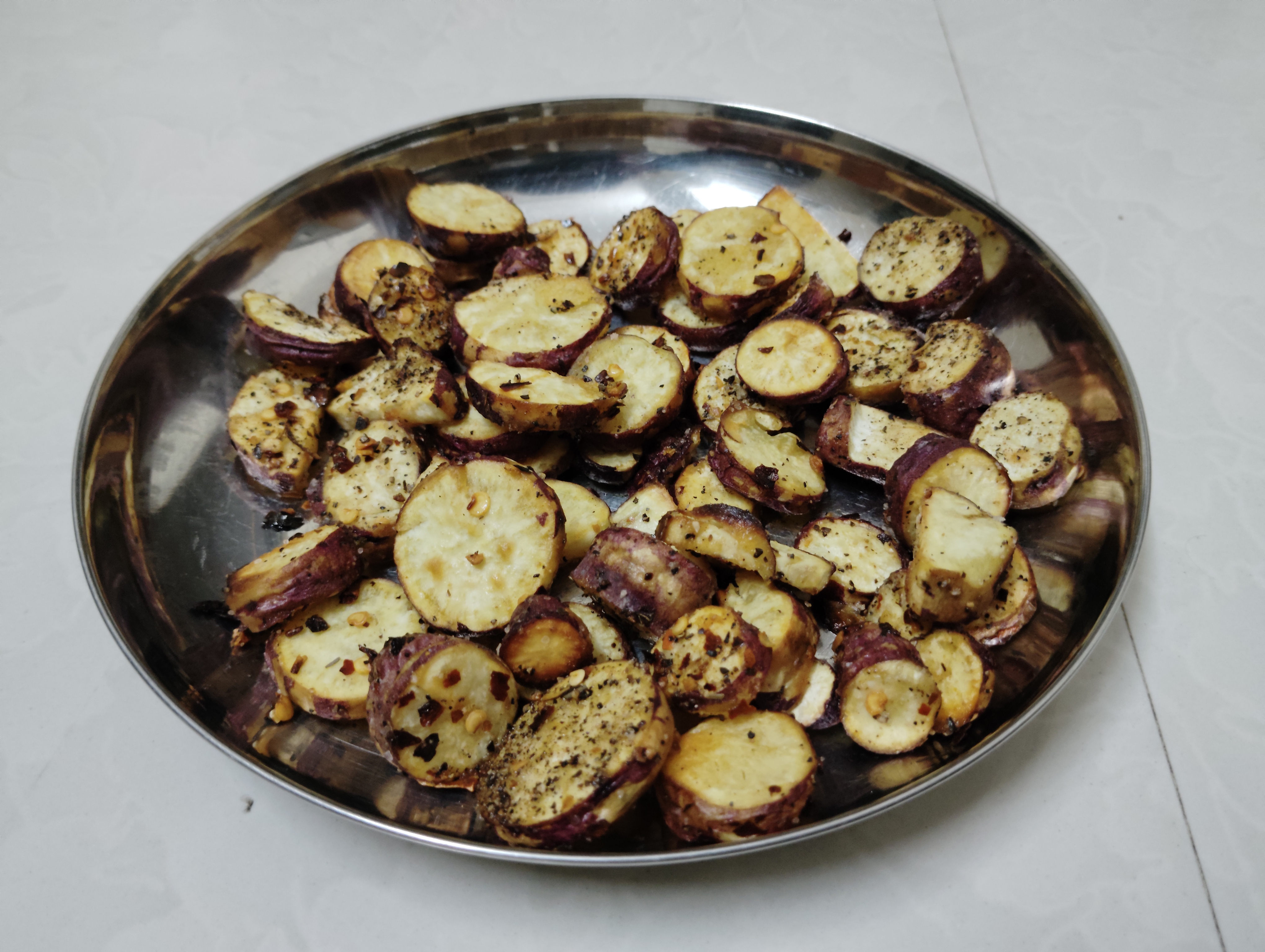
Ordering ideas that often work
| Approach | Why it helps |
|---|---|
| Plain version of an adult dish | Familiar but less “babyish” than a kids’ menu |
| Build-your-own dishes (tacos, wraps, salads) | Children choose what goes in |
| Sides as a main | Rice, potatoes, bread and vegetables in small amounts |
| Sauce on the side | Avoids a whole plate being rejected over one ingredient |
| Shared plates | Lets children try a little of everything |
Kids’ menus can be helpful, but our explainer on kids’ menus and nutrition shows why it is worth looking at smaller adult portions too.
When refusing food might be something else
Most fussy eating is a normal phase, but sometimes a child avoids a food because it makes them feel unwell: an itchy mouth, a rash, tummy pain or vomiting after certain foods. Do not push a food that a child says hurts or makes them feel ill. Note what they ate and speak to your GP, who can advise whether testing for an allergy or intolerance is needed.
If your child has a diagnosed allergy, the approach at restaurants is different from managing fussiness. The UK government’s food allergy advice for consumers says restaurants must tell you about any of the 14 regulated allergens they use and suggests stating the allergy clearly and asking how food is handled to avoid cross-contamination. Teach older children to say it themselves, too, so they gain confidence in managing their own needs when eating with friends.
Older siblings and grandparents can help as well. Seat a fussy eater next to someone relaxed about food who will happily share a taste, rather than beside the person most likely to comment on what is left on the plate.
After the meal
- Let it go. If your child ate very little, that is fine; judge eating over the week.
- Note what worked. A dish they tried, a restaurant they liked, a time of day that suited them.
- Repeat. The NHS notes that tastes change and acceptance can take many attempts, so offer foods again on another day.
Frequently asked questions
Should I order from the kids’ menu for a fussy eater?
It can help because the food is familiar, but a smaller portion of an adult dish, or sides, can be just as good and introduce new flavours.
Is it rude to ask for changes to a dish for my child?
No. Simple requests such as sauce on the side or plain pasta are common, especially at quieter times.
When should I worry about fussy eating?
The NHS says that if your child is active, gaining weight and seems well, they are likely getting enough. If you are worried, speak to your health visitor or GP.
Relaxed meals out, one bite at a time
Choose places with a safe option, go before your child is too hungry, offer small tastes without pressure, praise trying and let the rest go. Fussy eaters often become more adventurous with time and repeated, calm exposure. For more on family food life, see our Lifestyle section.